Collaborating on the future of composites manufacturing
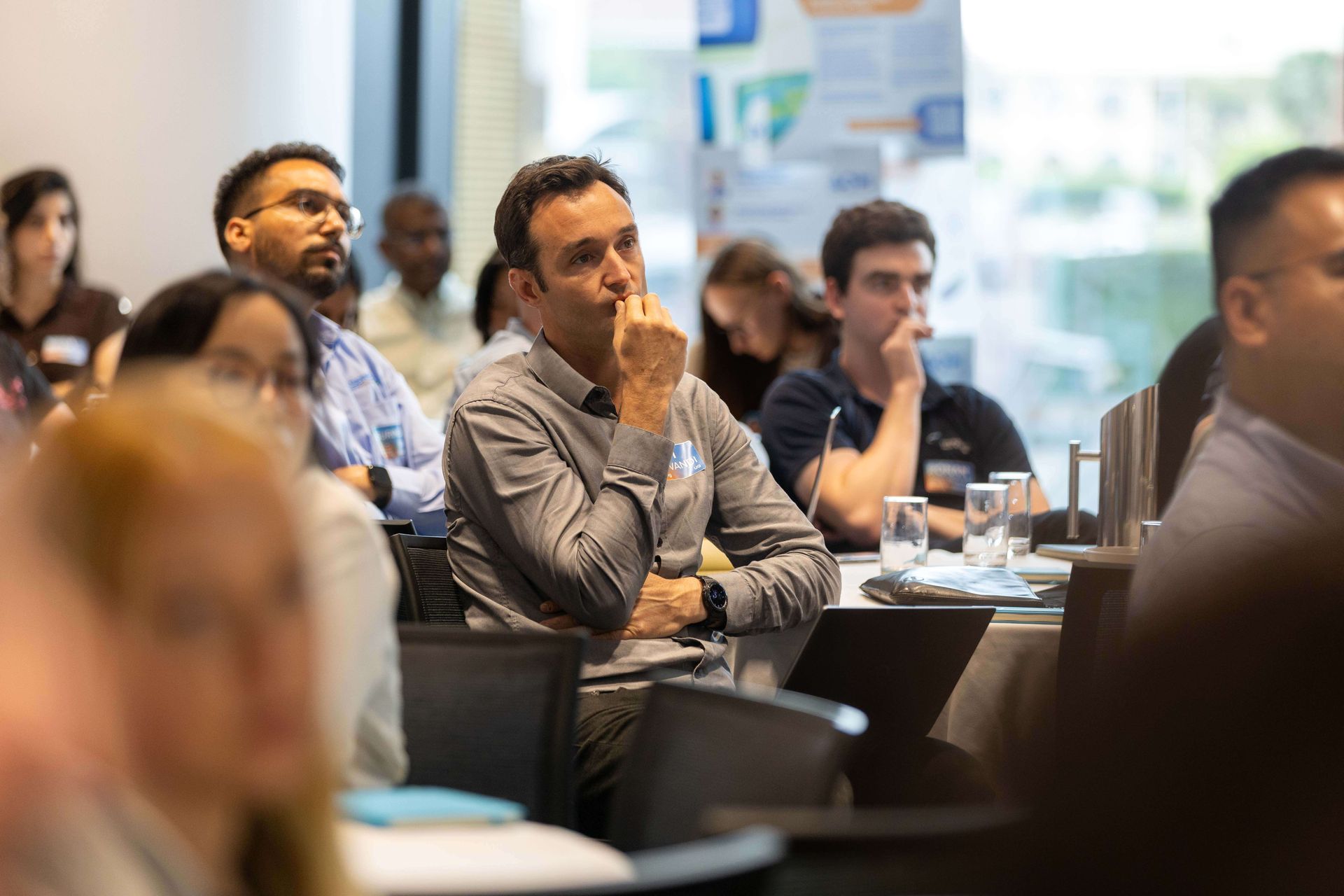
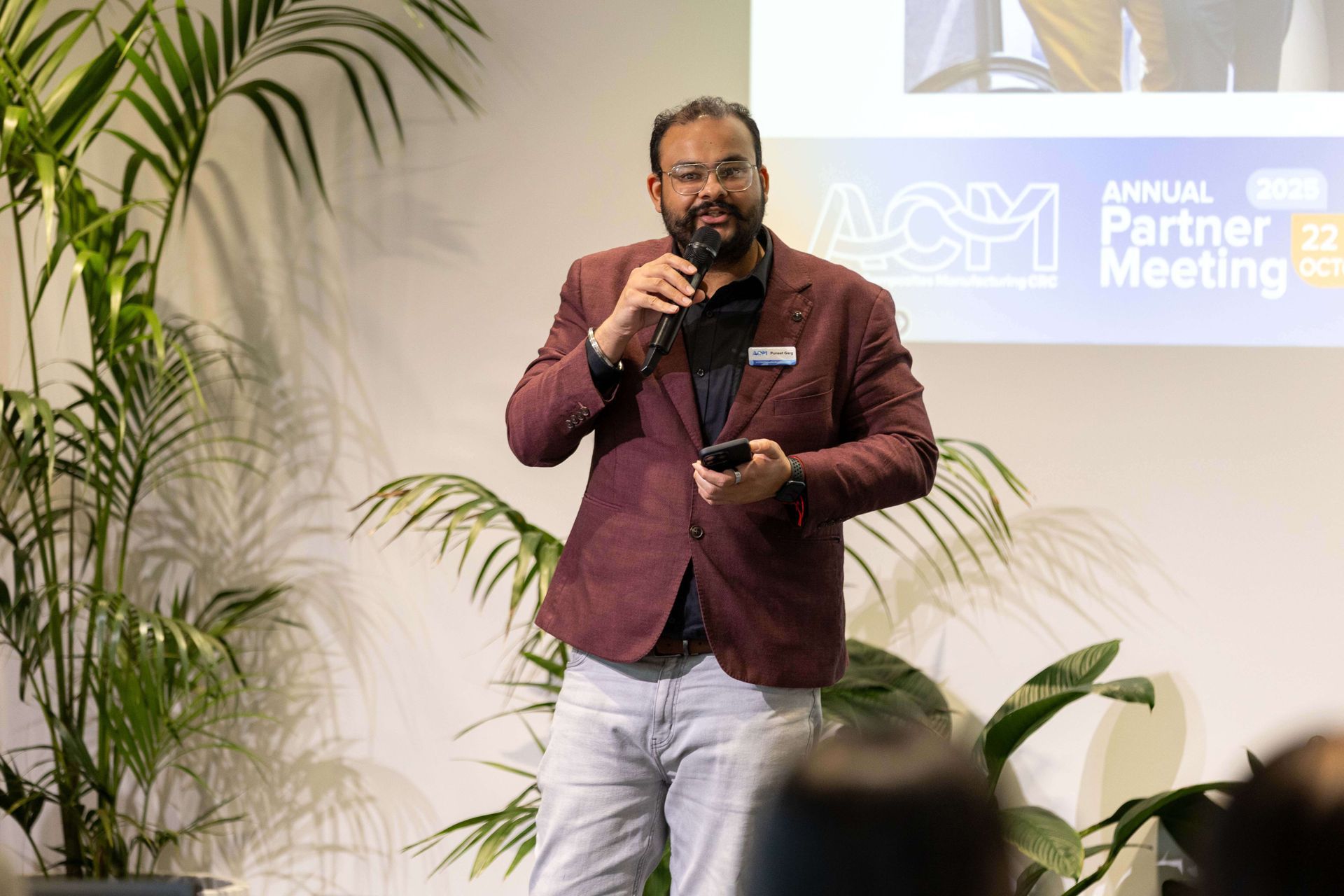
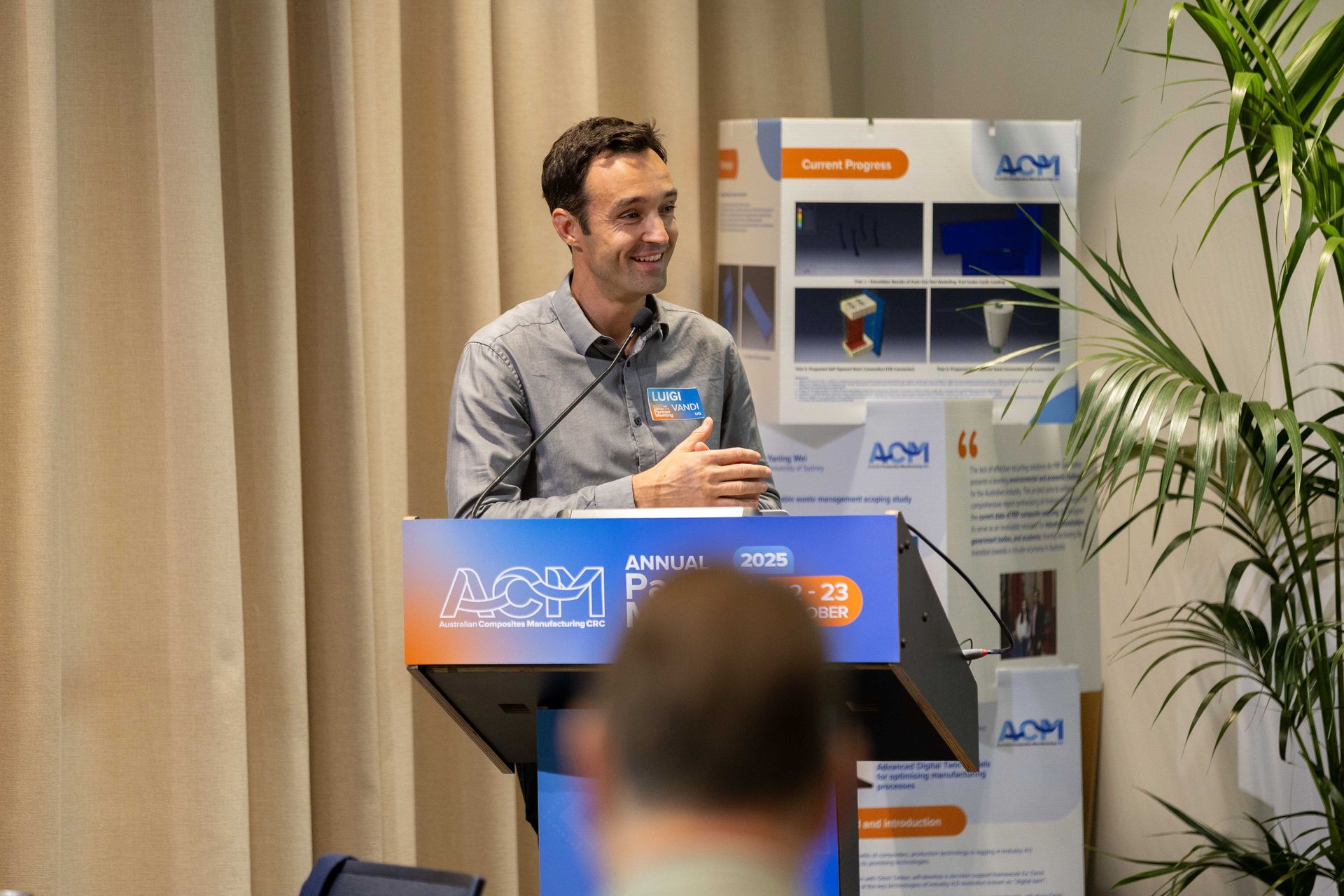
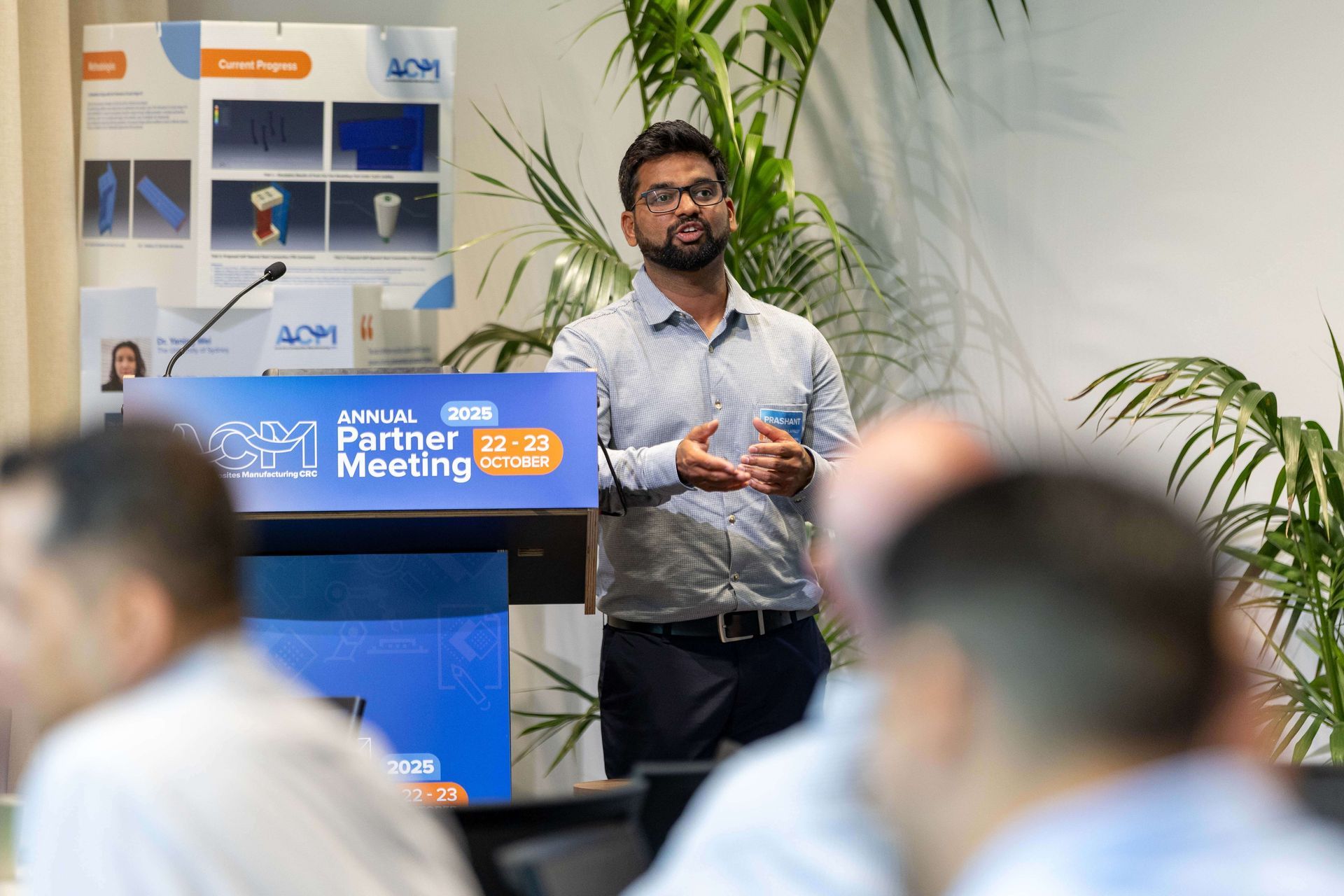
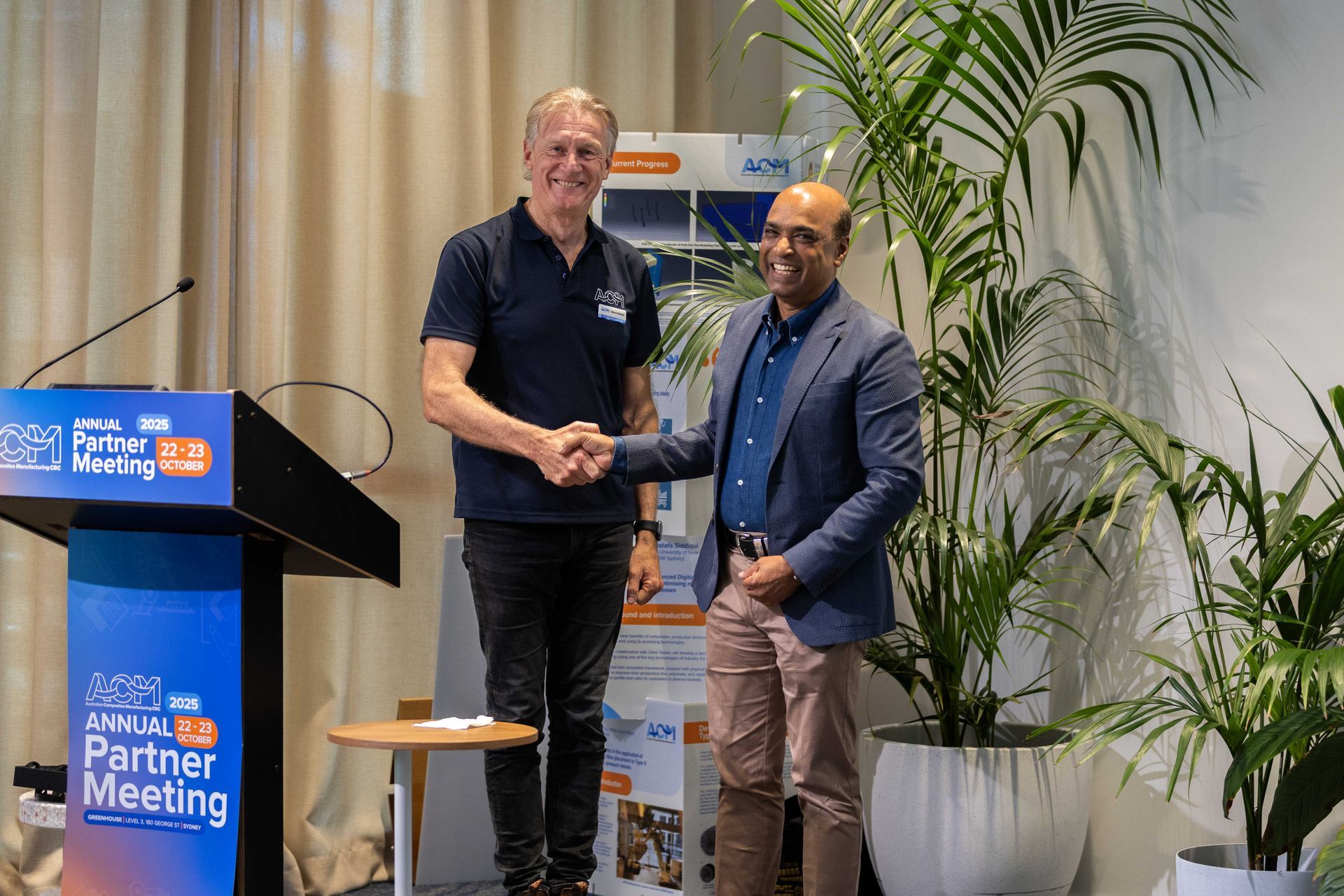
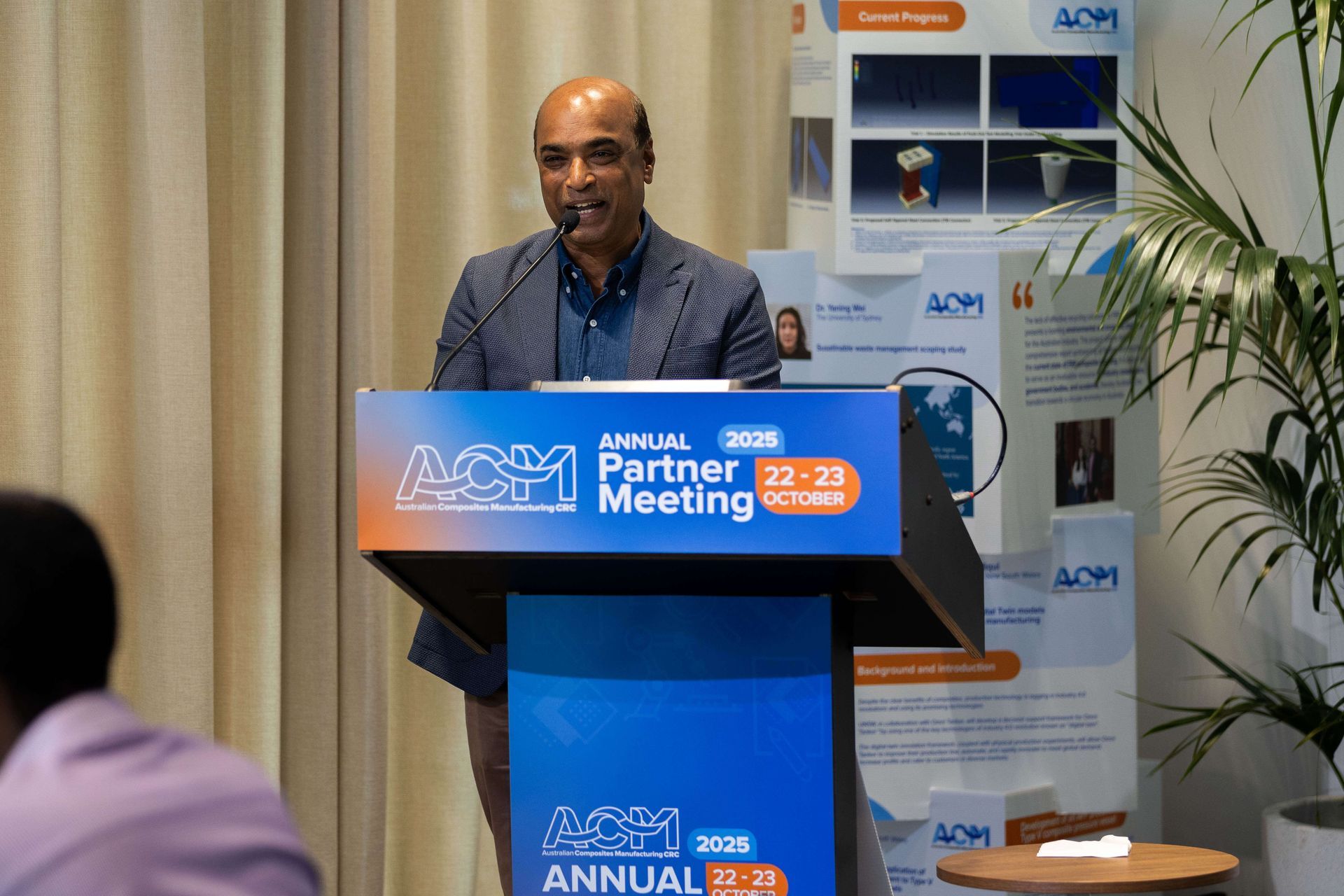
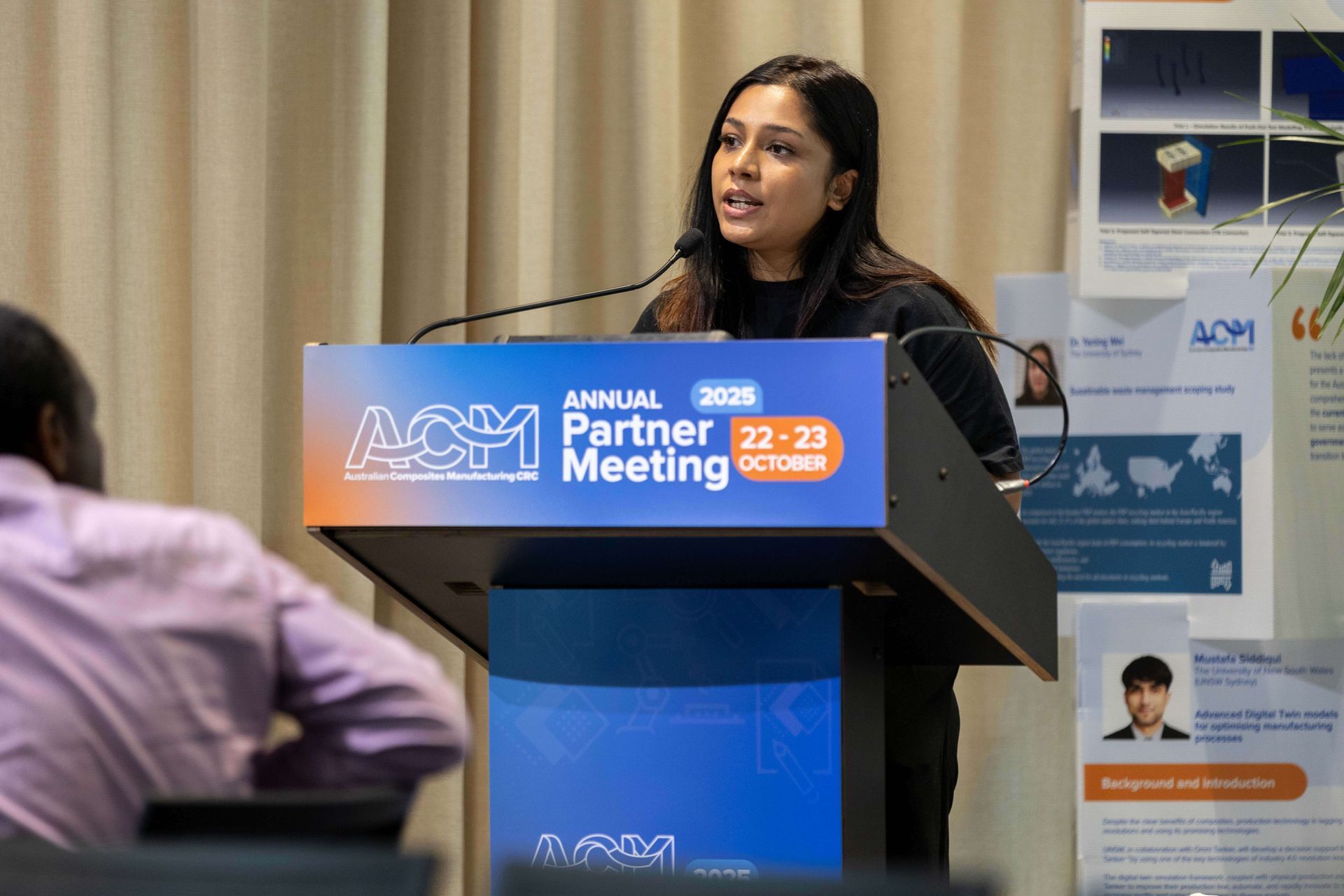
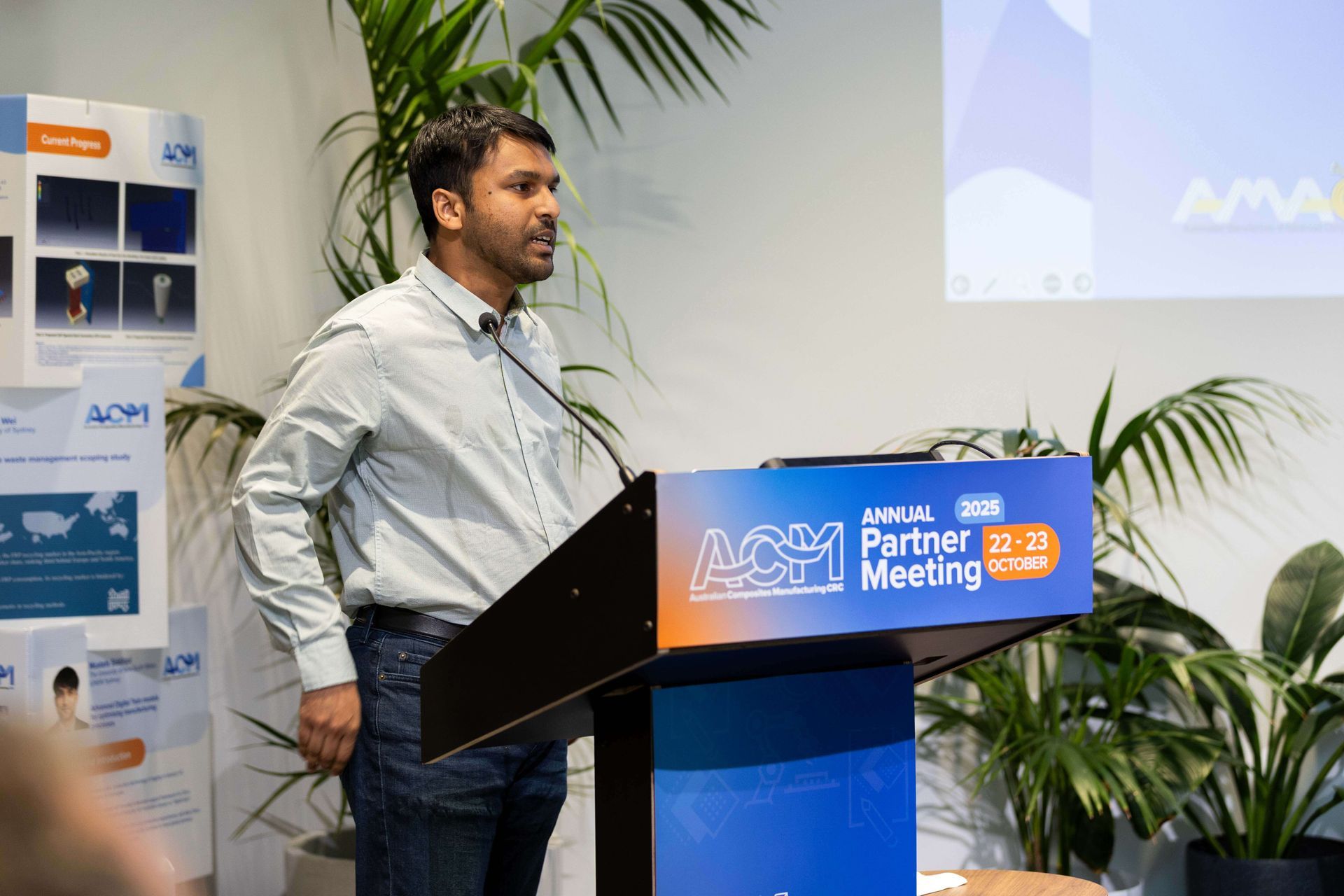
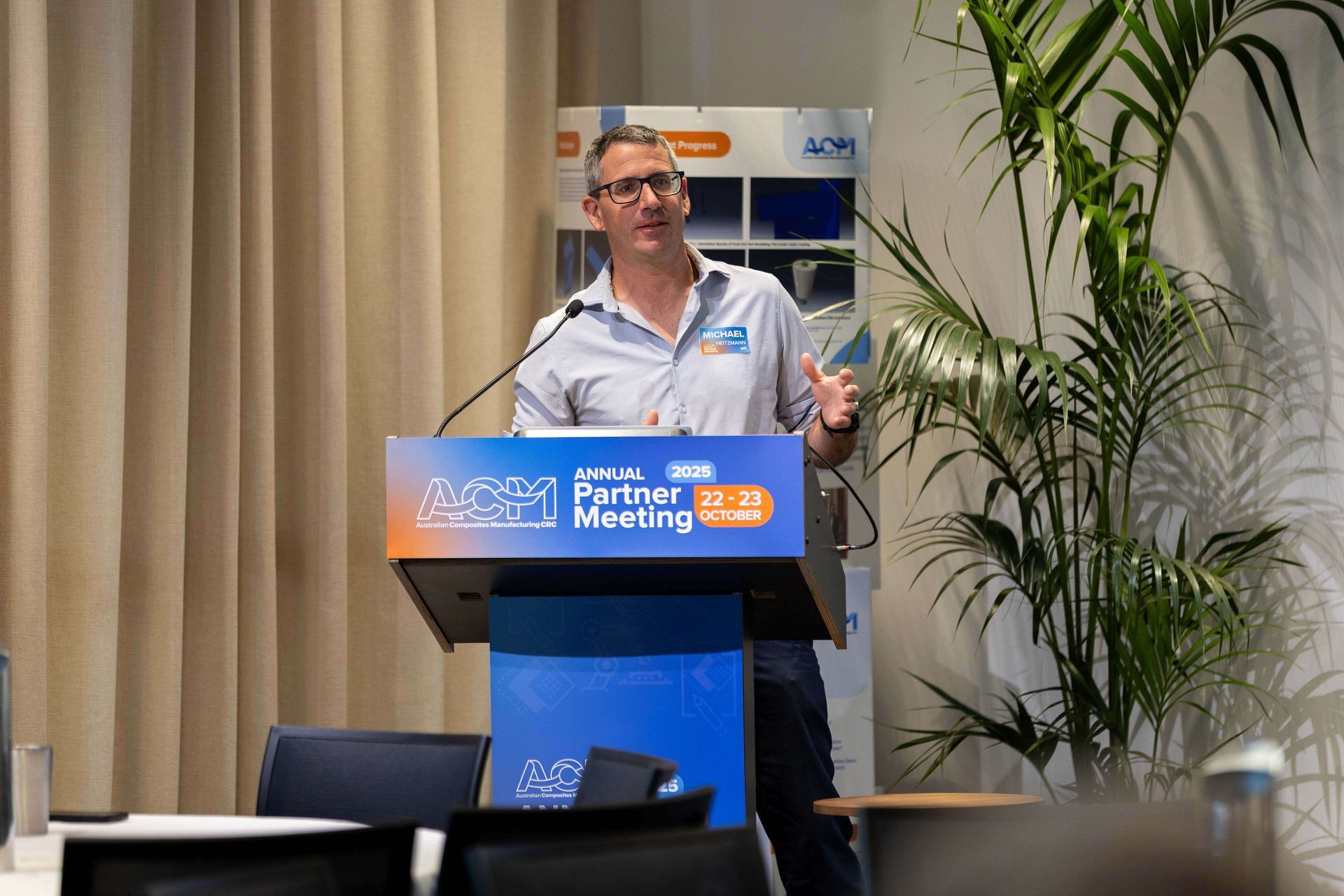
ACM CRC’s 2025 Partner Meeting was alive with energy and enthusiasm, as delegates from industry, research and government gathered to reflect on their composite manufacturing achievements from the past year, and to unveil how the sector’s future may look…
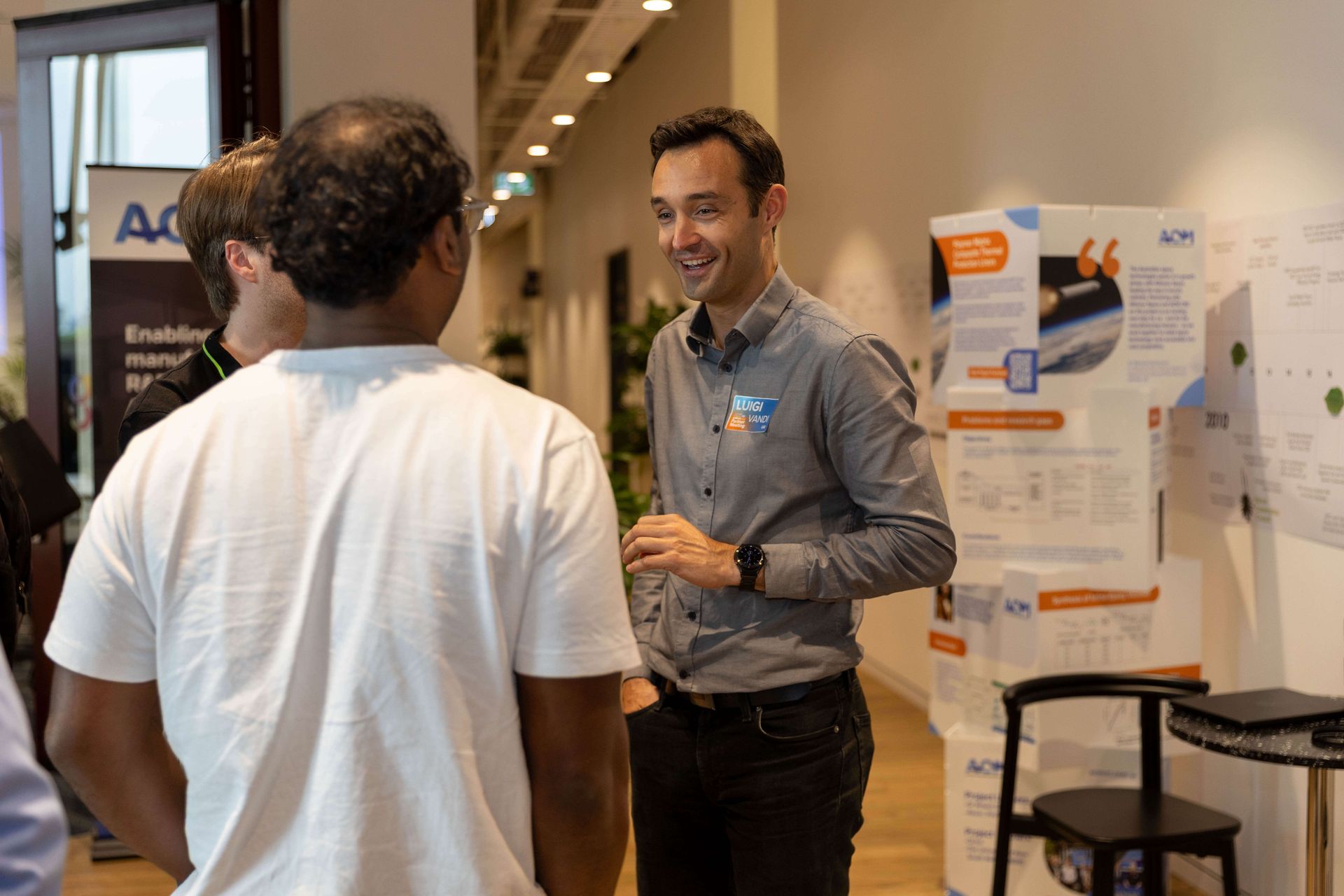
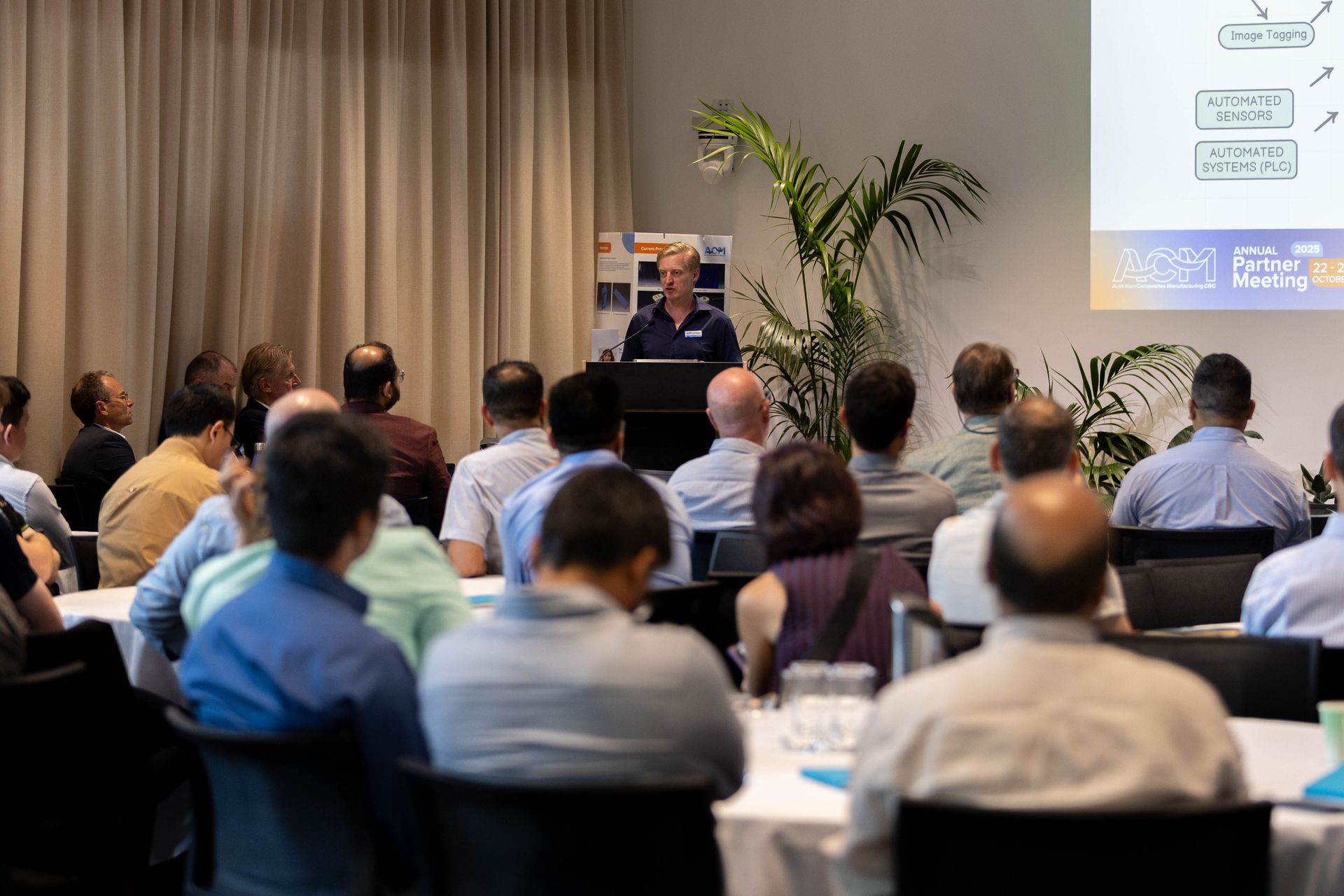
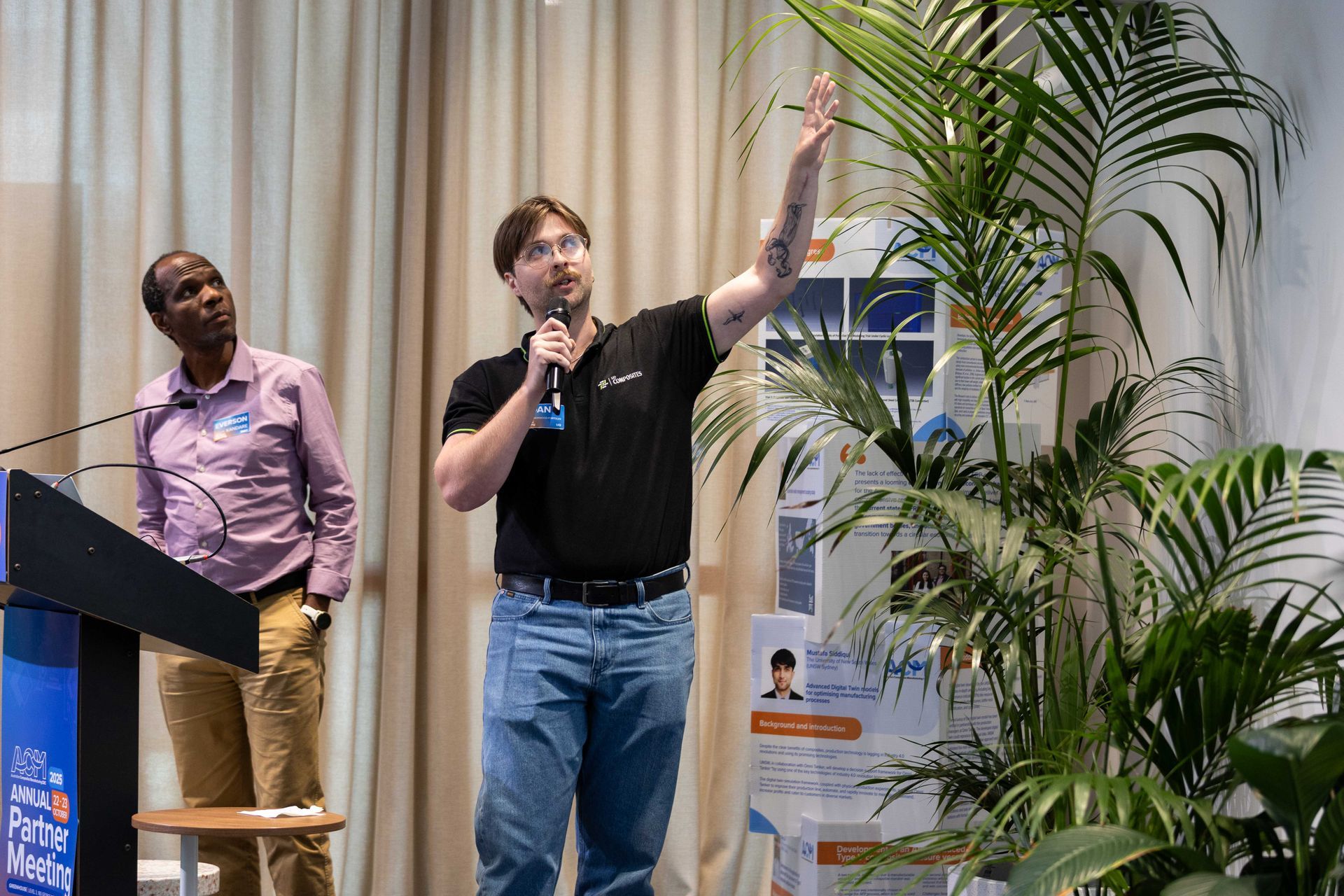
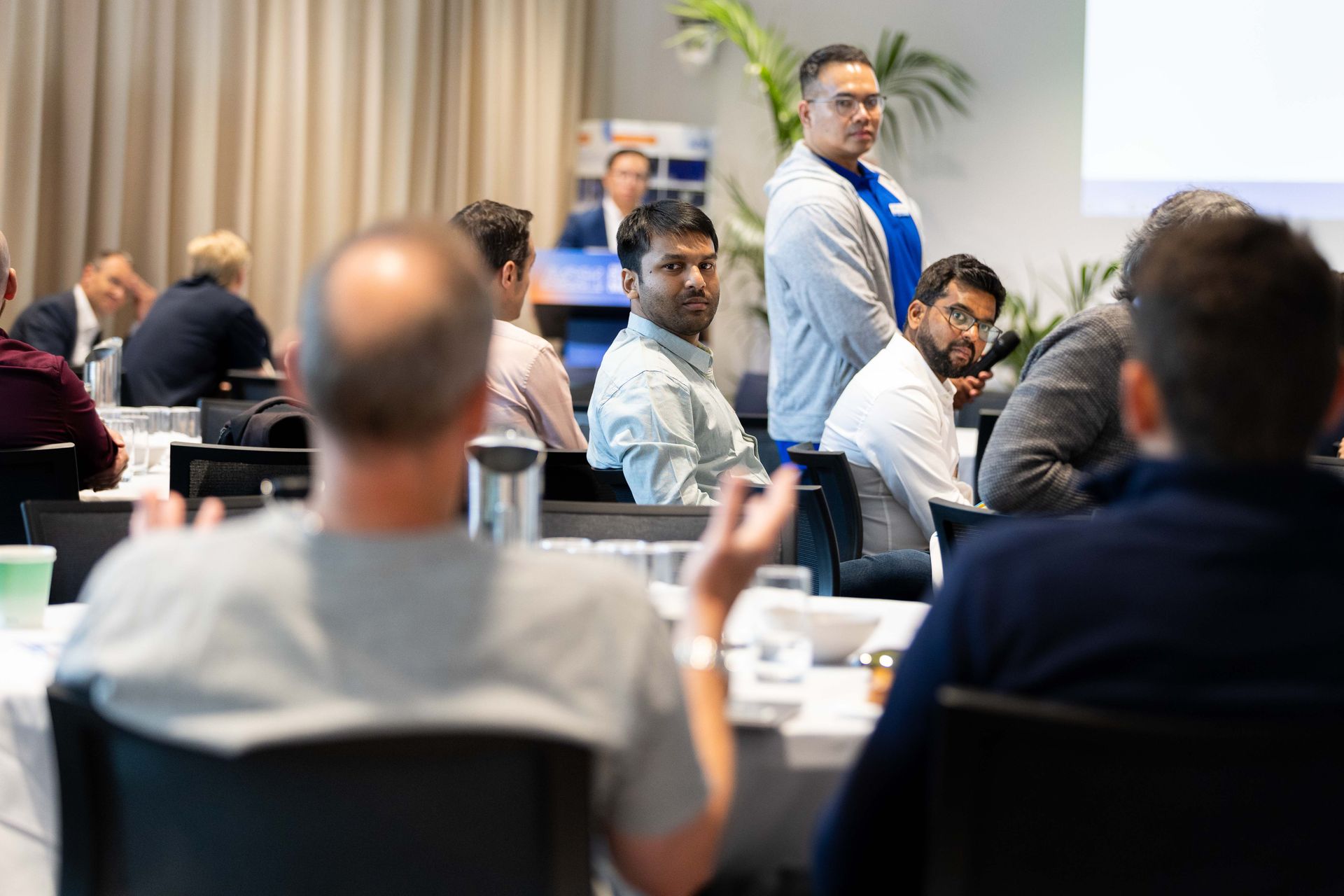
Over two days in October, the event’s 80+ attendees generated an incredible buzz in the room as they discovered the latest innovations in composites manufacturing – from digital manufacturing in streamlining design-to-production workflows, through to AI, digital twins and humanoid robotics transforming the future of composites production.
The meeting’s theme,
“Leveraging Enabling Technologies to Advance Australia’s Composites Manufacturing Sector”, opened up the program to many exciting topics, with delegates all taking away valuable and inspiring insights.
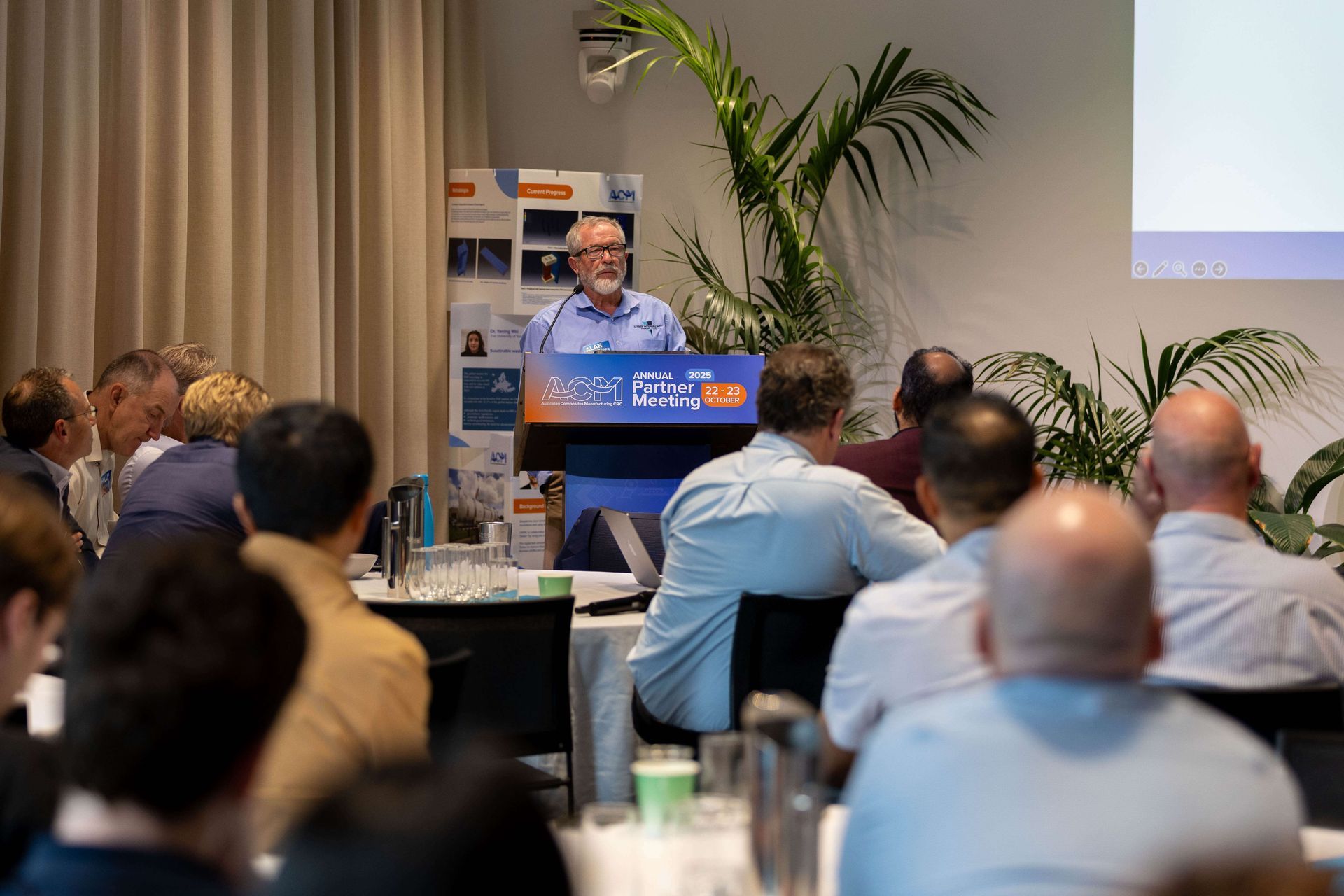
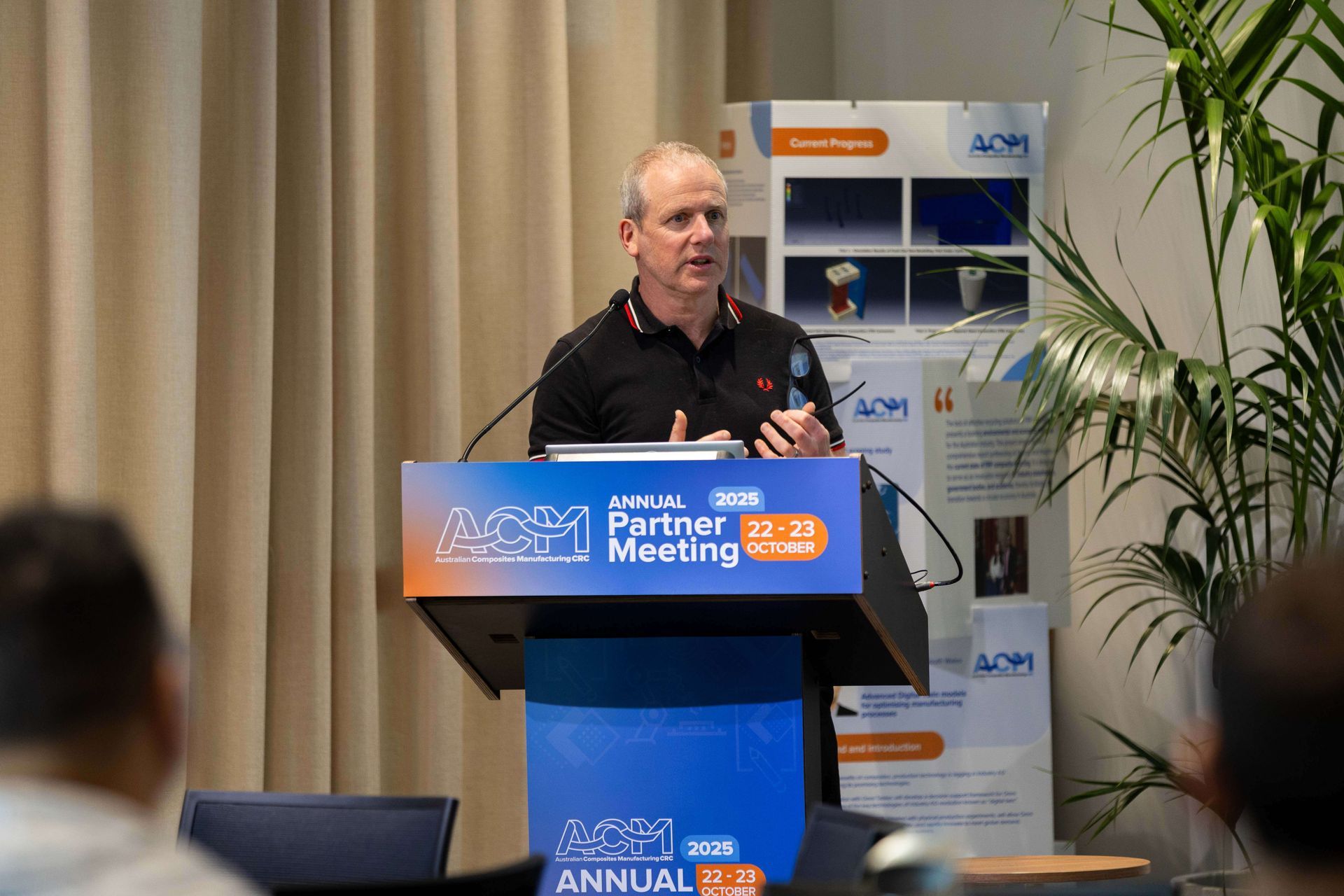
Some of the critical points discussed across the four keynote addresses certainly gave the attendees plenty to think about, including:
- the role of digital manufacturing in streamlining design-to-production workflows (delivered by Dr Phil Crothers, Enterprise Domain Leader – Manufacturing, Boeing Aerostructures Australia);
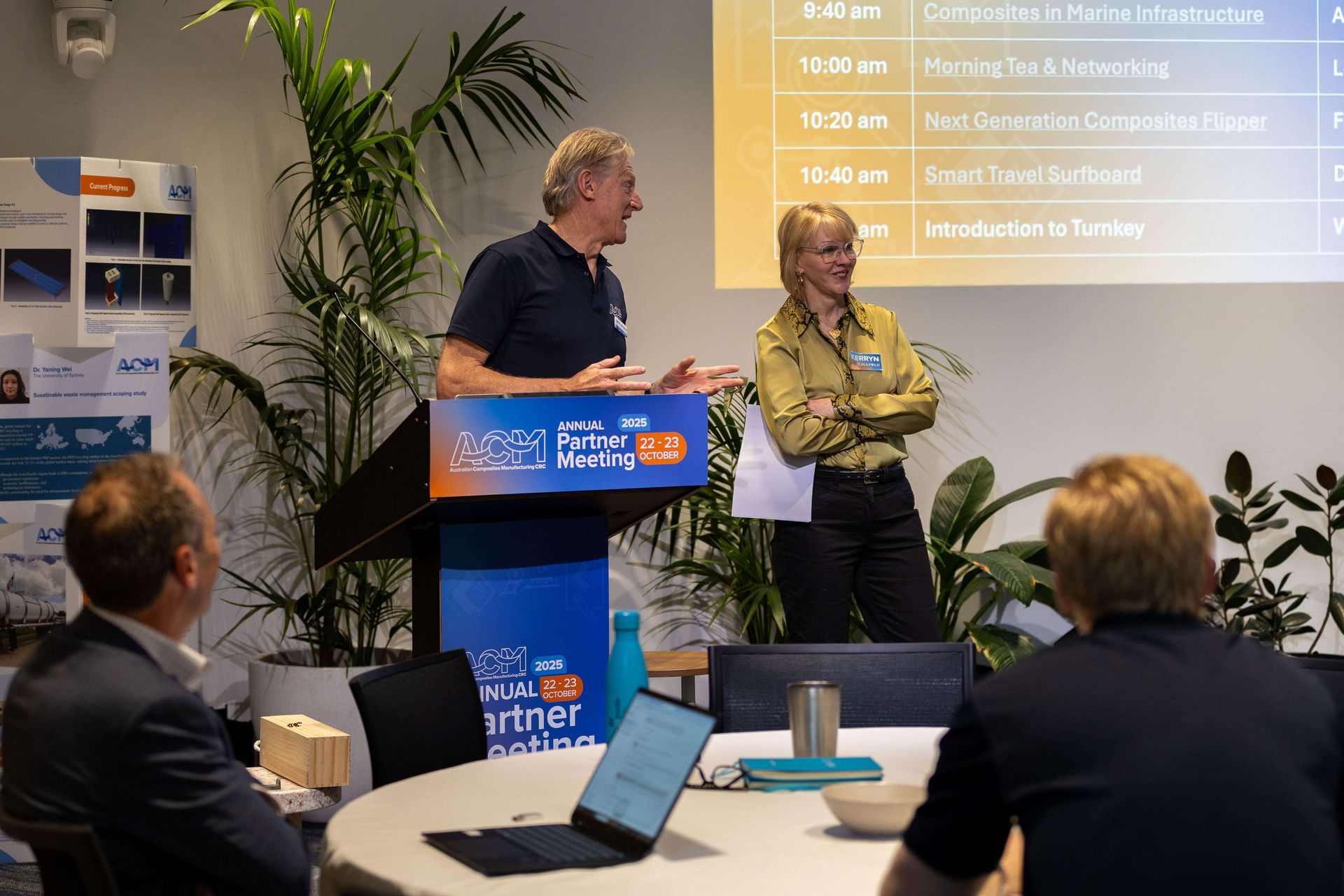
- the importance of industry collaboration and workforce development to accelerate advanced manufacturing capability and adoption of automation (delivered by Kerryn Caulfield, Executive Director, Composites Australia);
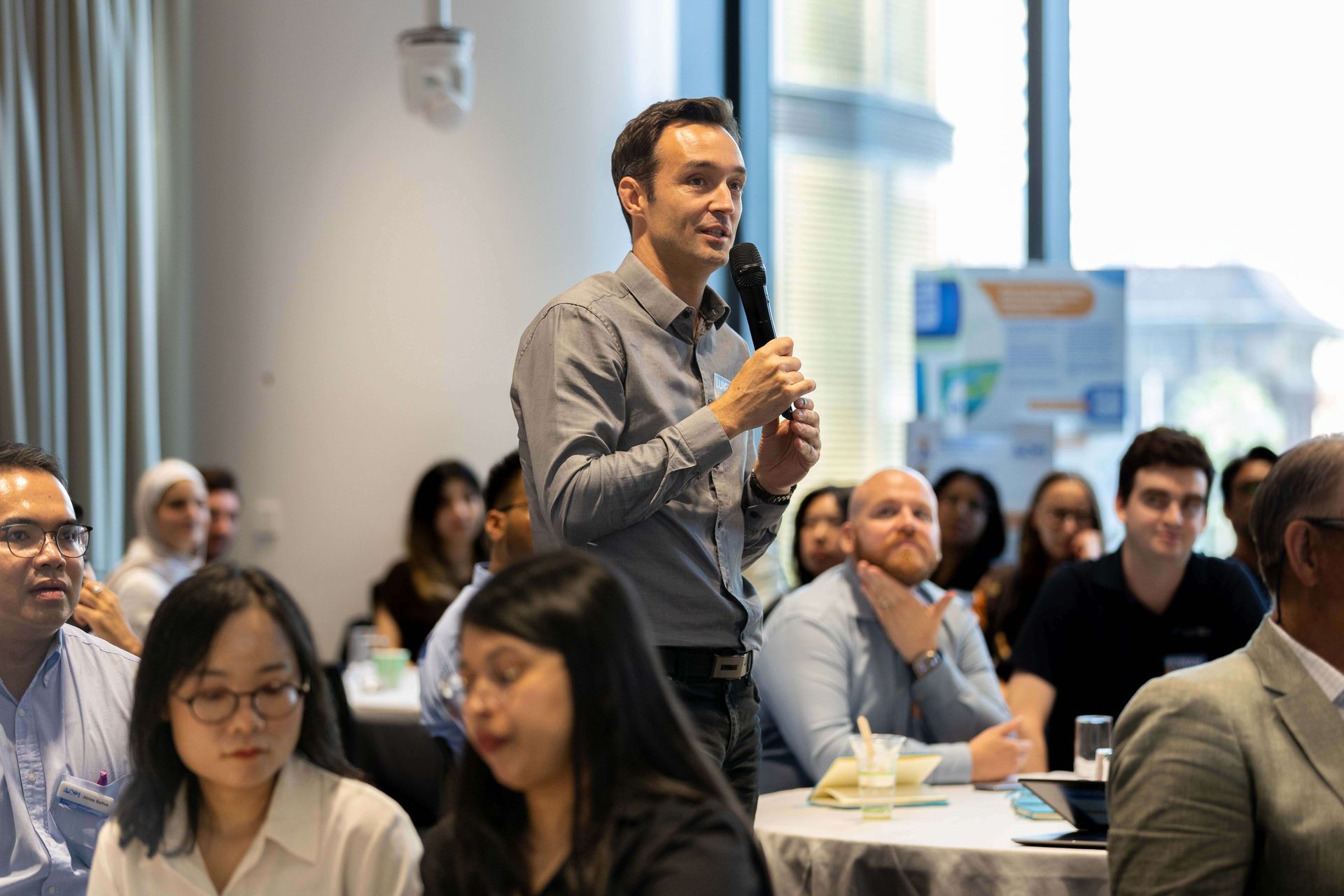
- Technology Assisted Manufacturing, showcasing how AI, digital twins and humanoid robotics are transforming the future of composites production (delivered by Luke Preston, Chief Technology Officer, ACM CRC); and
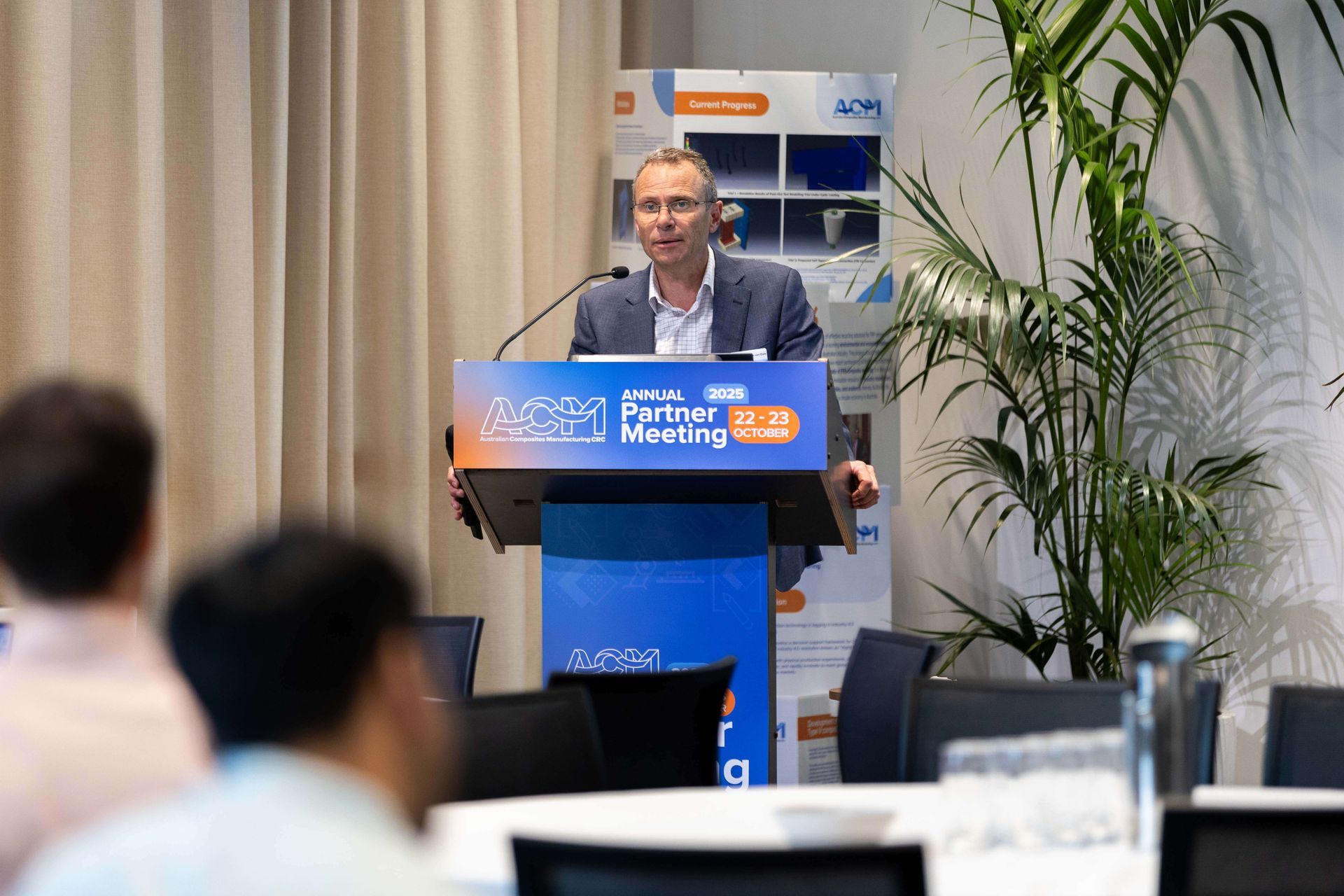
- ACM CRC’s ‘Next Five Years’ Strategy, which emphasised a pivot to industry-led research projects, greater collaboration between partners, clearer utilisation pathways, stronger governance, and enhanced workforce development (delivered by Dr Stephen van Duin, R&D Director, ACM CRC).
Ms Caulfield captured the importance of collaboration perfectly, reinforcing the alignment between ACM CRC and Composites Australia in driving sector-wide growth and innovation.
Indeed, the collaborative nature of ACM CRC’s research programs across the last financial year saw so many industry-led research projects come to fruition, such as a transformative project to standardise composite material repairs for steel structures; optimising Australia’s sovereign Uncrewed Aircraft System airframe design; achieving sustainable waste management in the composites industry; transforming composite coating processes for Australia’s critical industries; and so much more.
A big part of ACM CRC’s mission is to break down existing barriers – an over-reliance on labour-intensive manufacturing, a lack of access to international supply and open markets, high materials transport costs – and reposition the country’s capability with next-generation cost and technology competitiveness.
Across the two days, industry and research partners showcased some of the enabling technologies that are significant to this ACM CRC goal, underlining the focus on practical, scalable innovation. Examples include:
- Structural health monitoring, standardised in-field manufacture, and carbon fibre wheel production.
- MOF-enabled composite tanks, drone manufacturing optimisation, and AI-based quality control.
- High-temperature composite components, and CMC scramjet inlets for flight applications.
- Circular design approaches, smart marine infrastructure, and next-generation surfboard and flipper concepts.
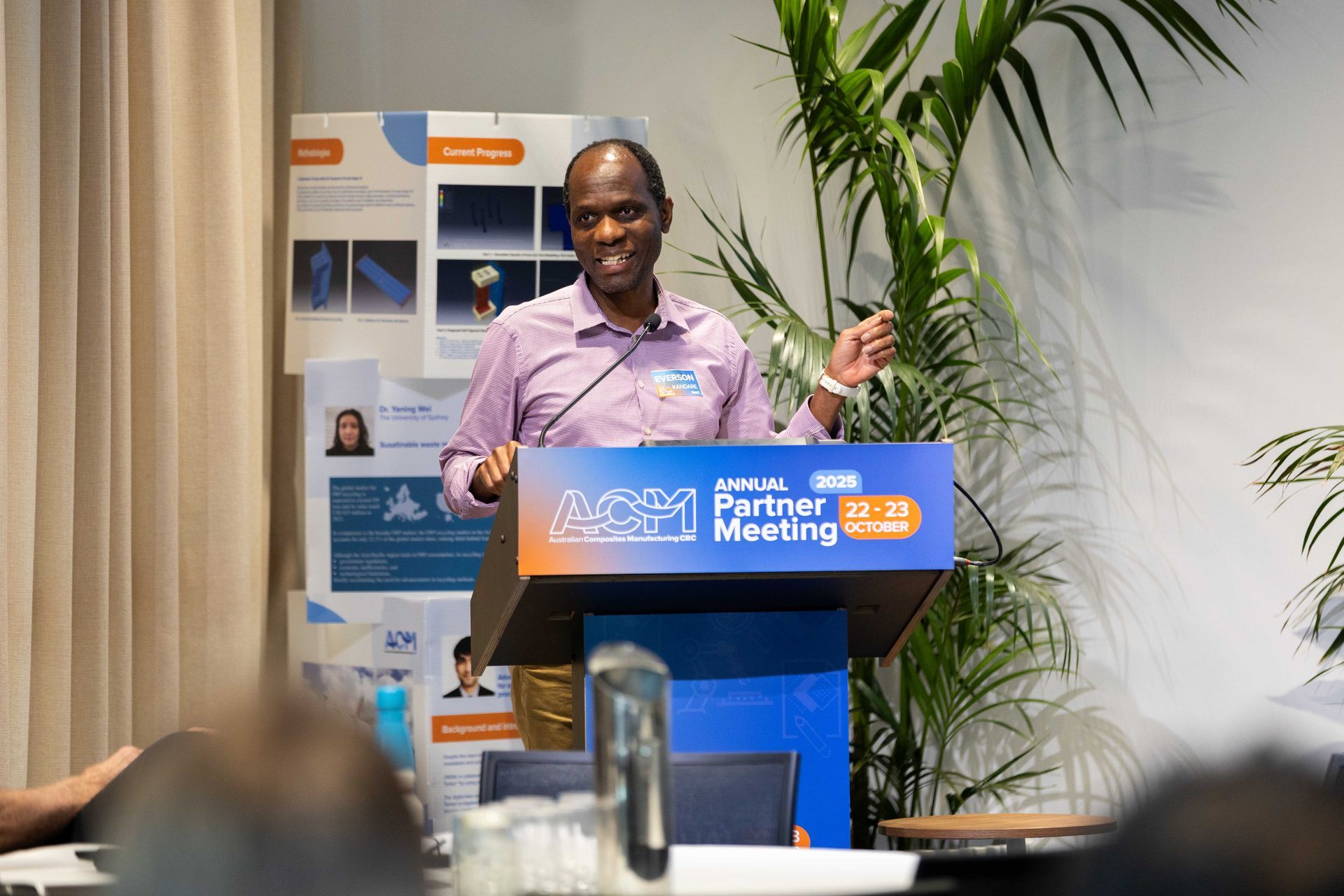
Professor Everson Kandare (RMIT University, and ACM CRC’s Education & Training Program Leader) presented the outcomes of a CRC Education & Training Scoping Study, which has identified national skills gaps, and outlines a roadmap for HDR training, micro-credentials, and industry upskilling.
“Several recommendations have emerged from this study, including the stronger integration of HDR research with industry placements, short courses and micro-credentials in automation and digital manufacturing, and programs promoting equity, inclusion and regional participation,” Professor Kandare said.
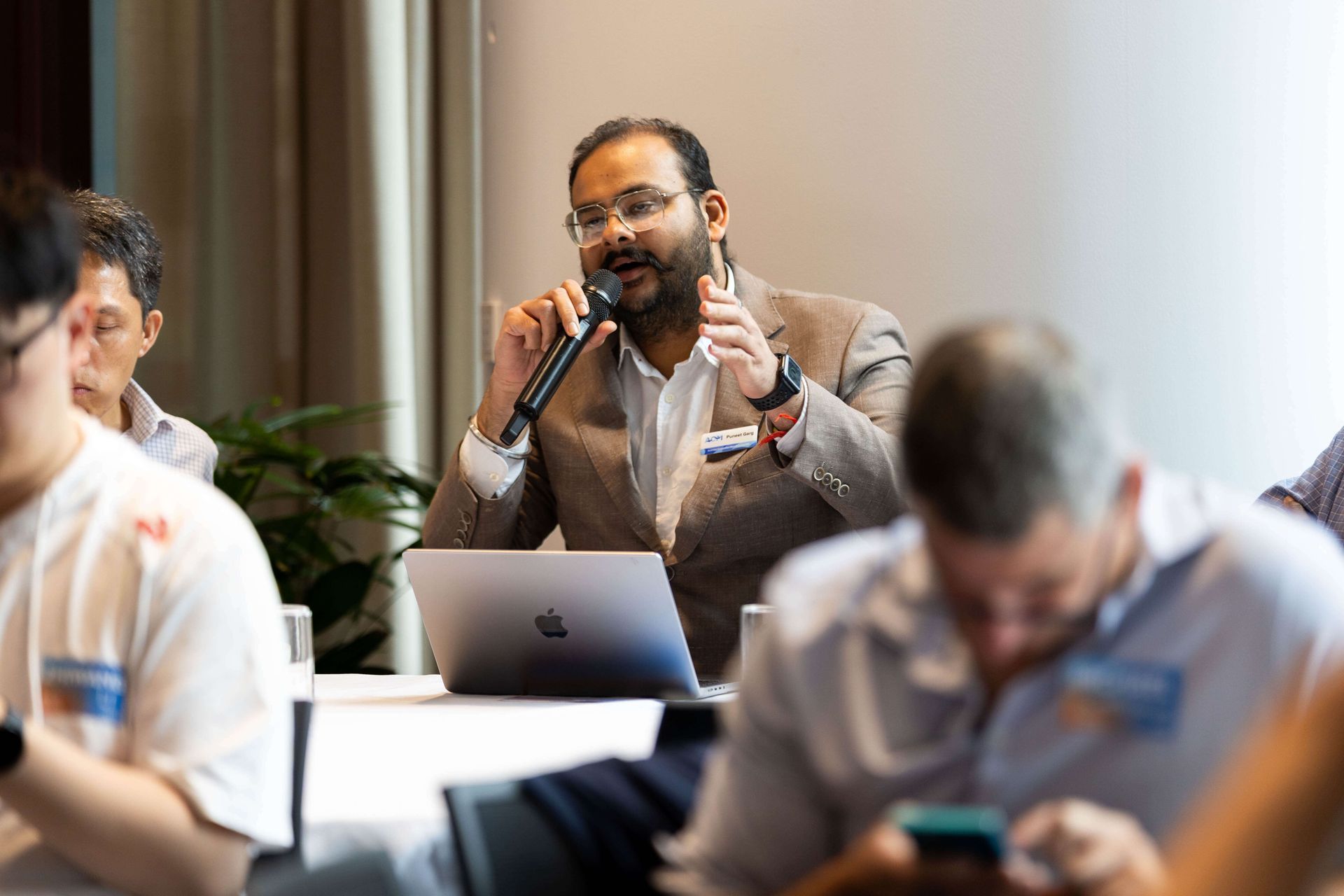
An open discussion on education and governance then highlighted the need for flexible, nationally coordinated training frameworks, transparent project governance and regular review cycles, and shorter, outcome-driven projects.
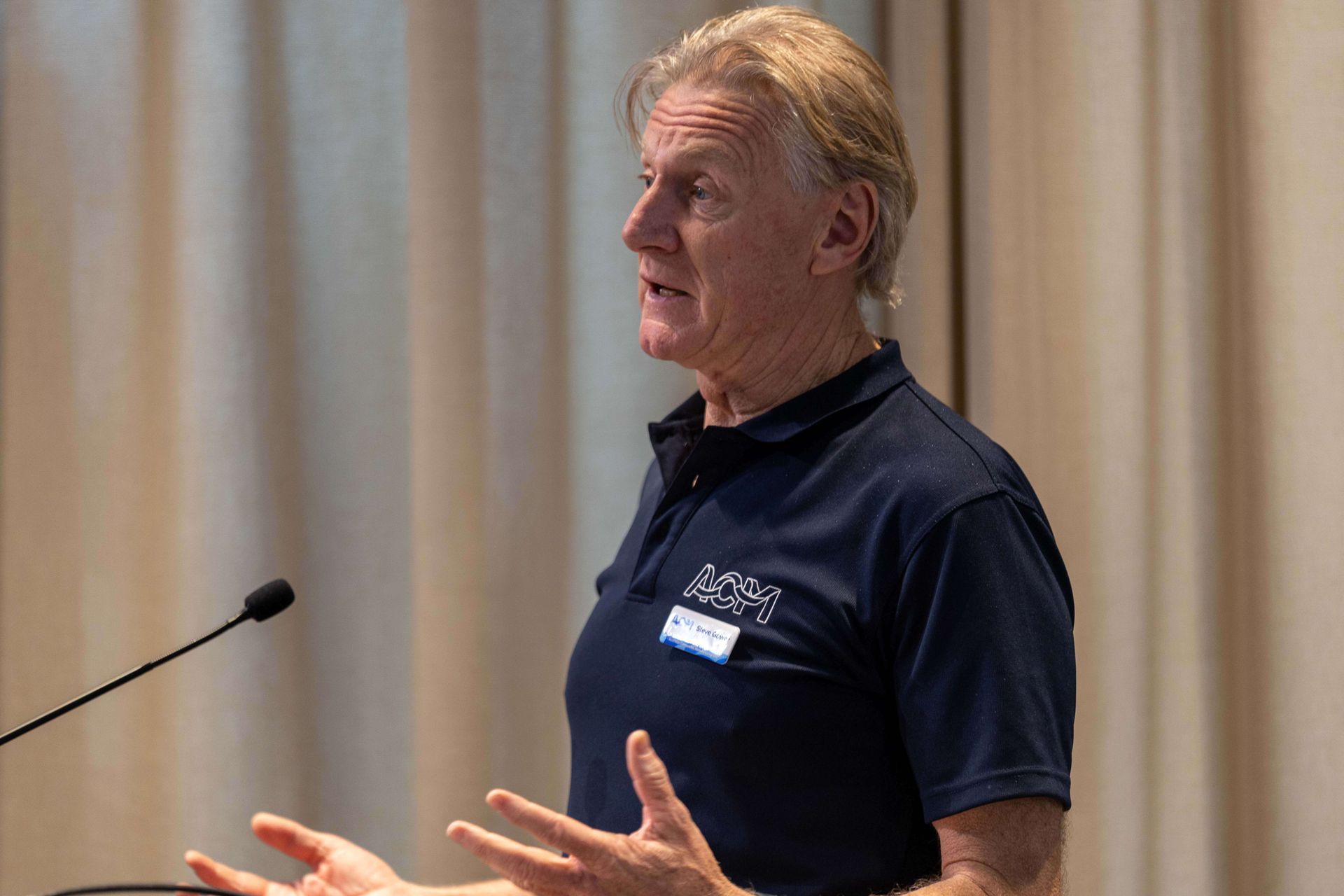
“Bringing our Partners together to collaborate on what we’ve done well, what we need to continue doing well, and how we can do better, has, once again, been extremely insightful,” said Dr Steve Gower, CEO of ACM CRC.
“As we look to transform and maximise Australia’s sovereign capability in manufacturing, supply chain security, Industry 4.0 transition, workforce transformation, digital production and export, and green energy economies, these discussions – and our collaborative approach – are essential to instigating a global turning point for the sector.”
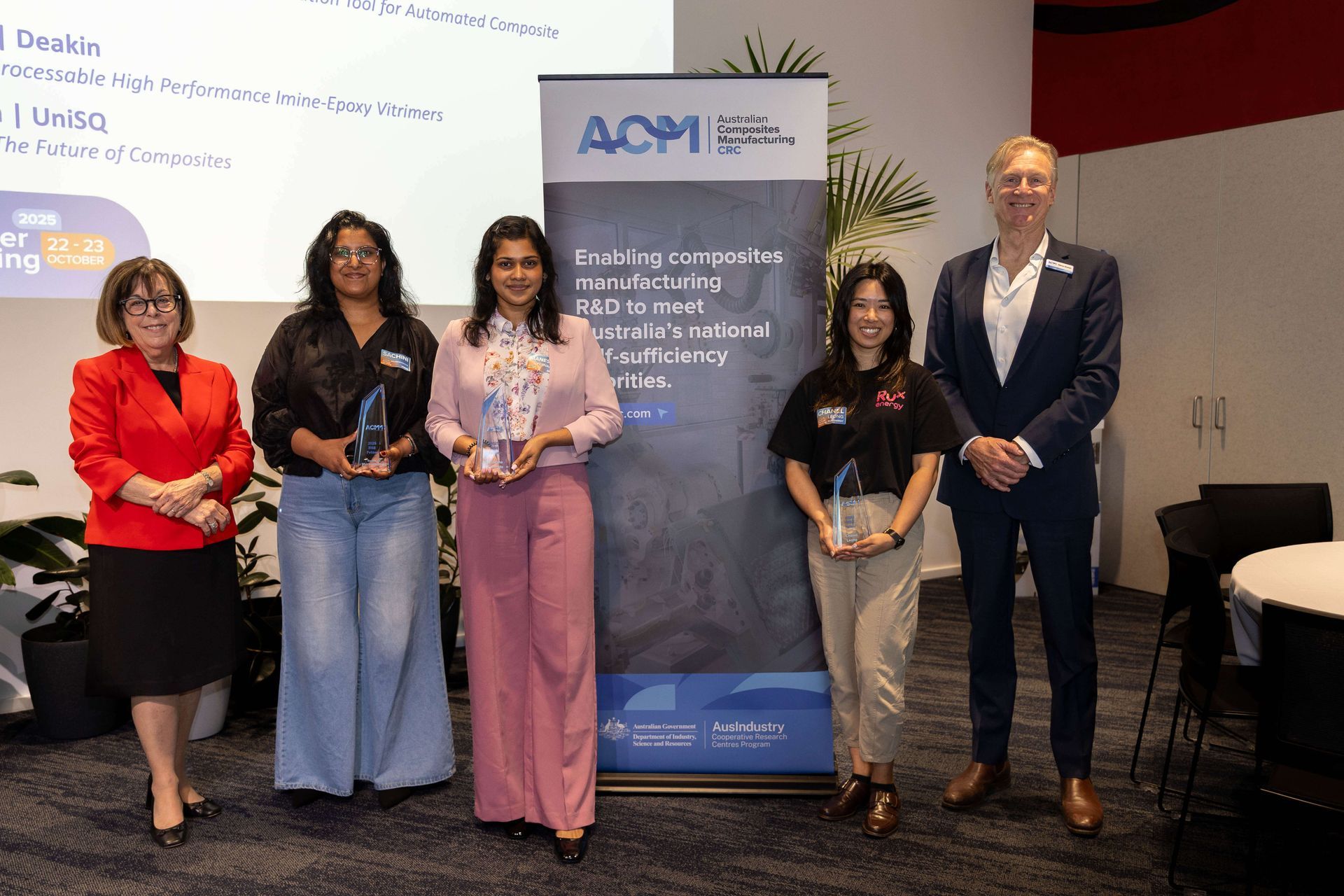
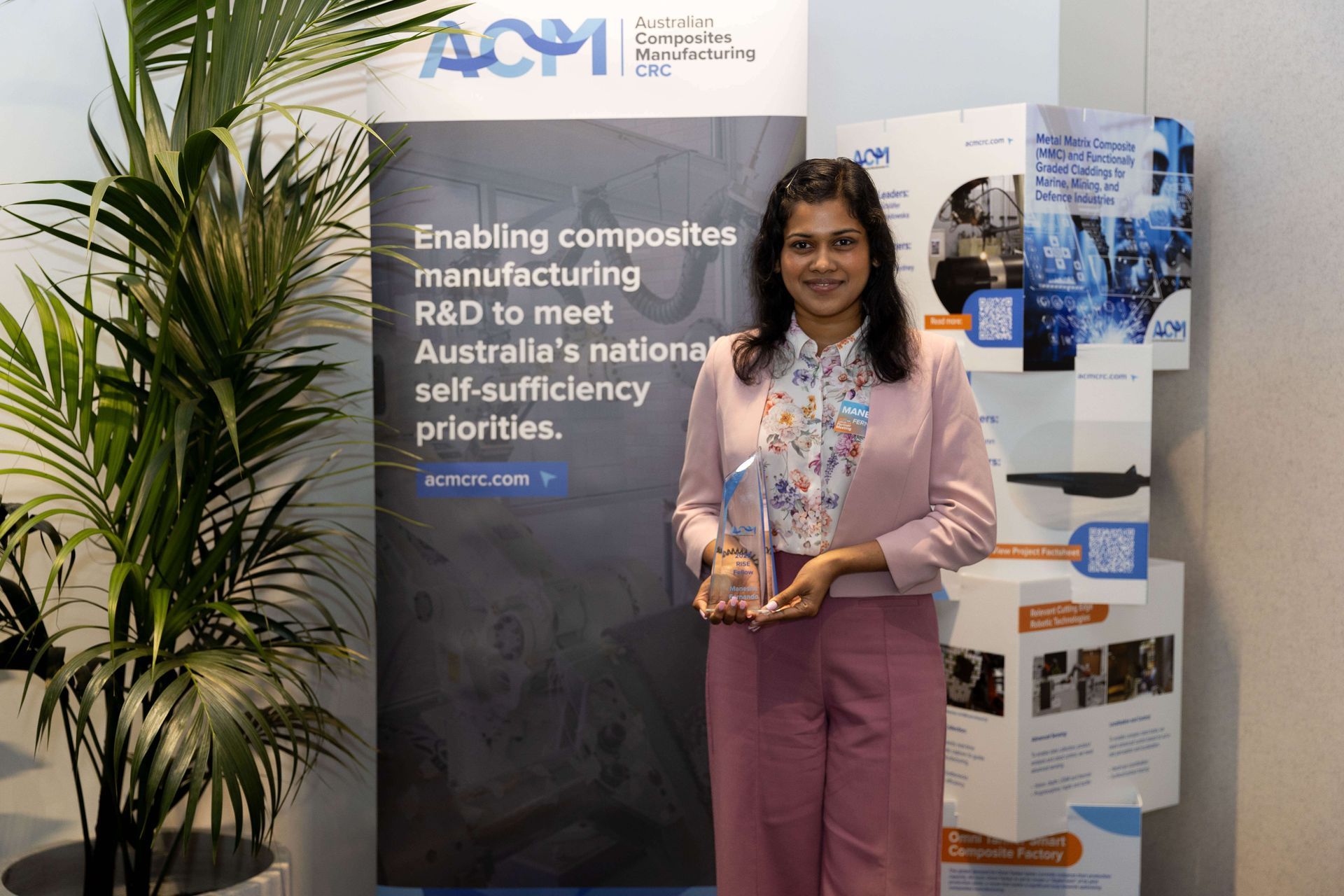
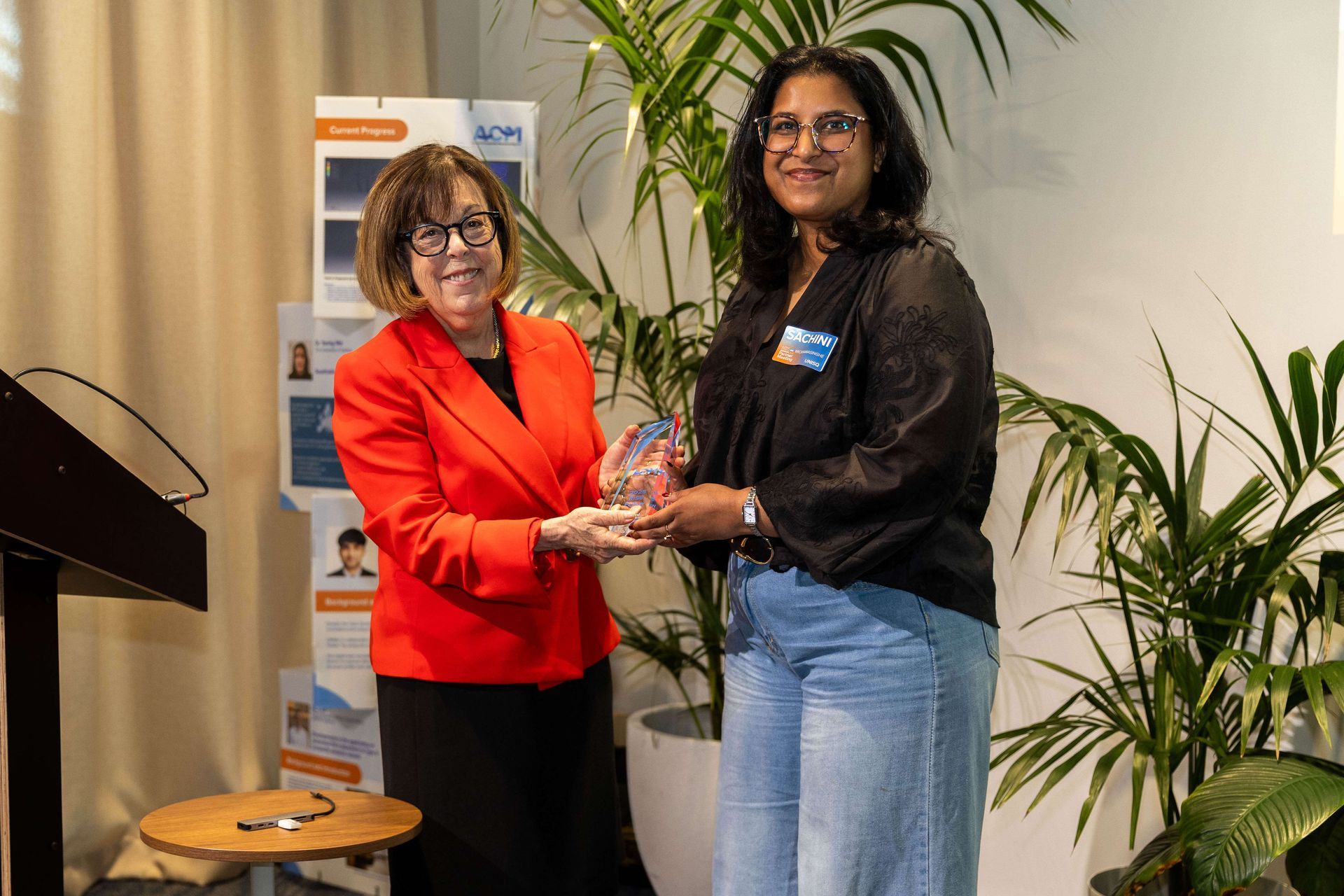
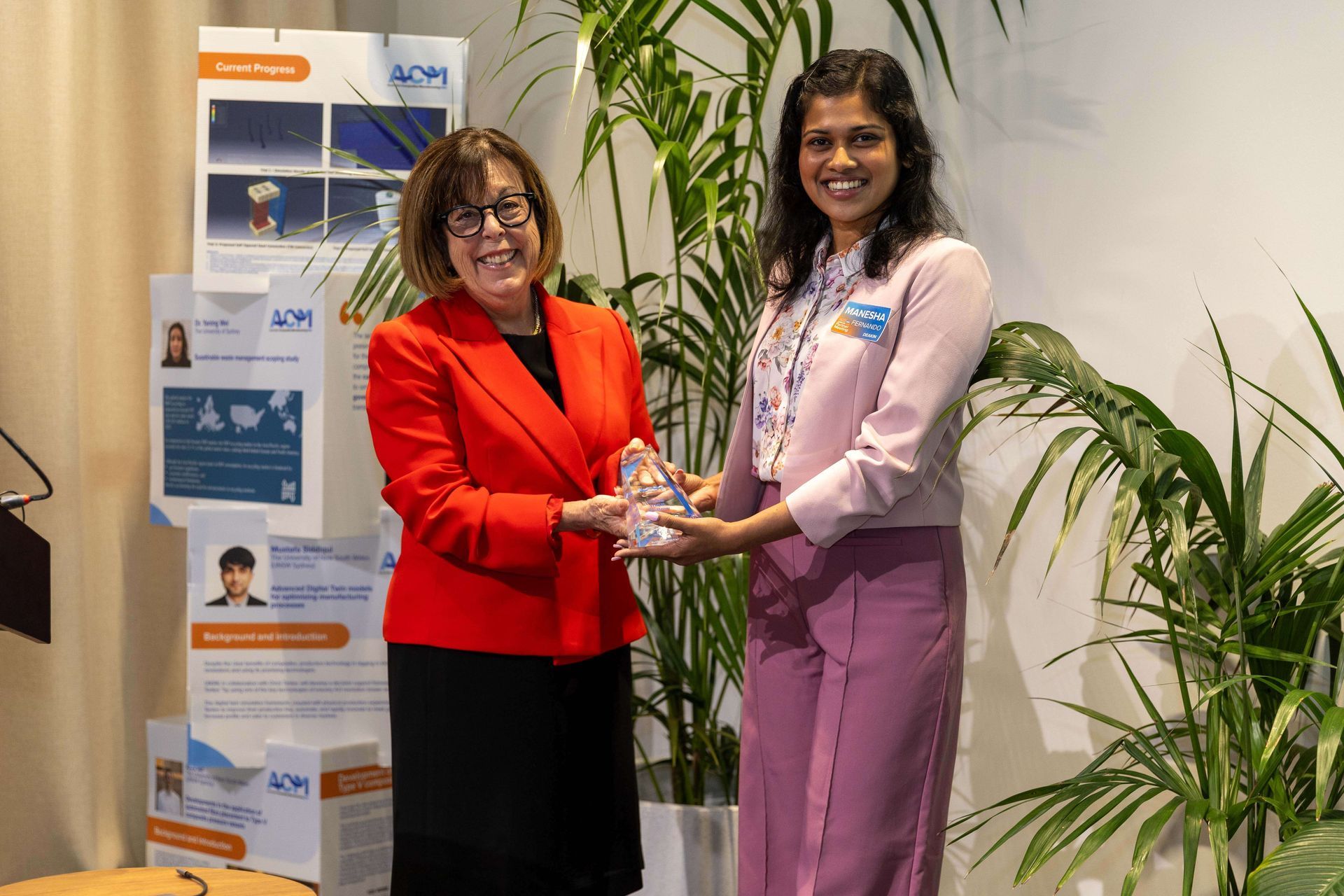
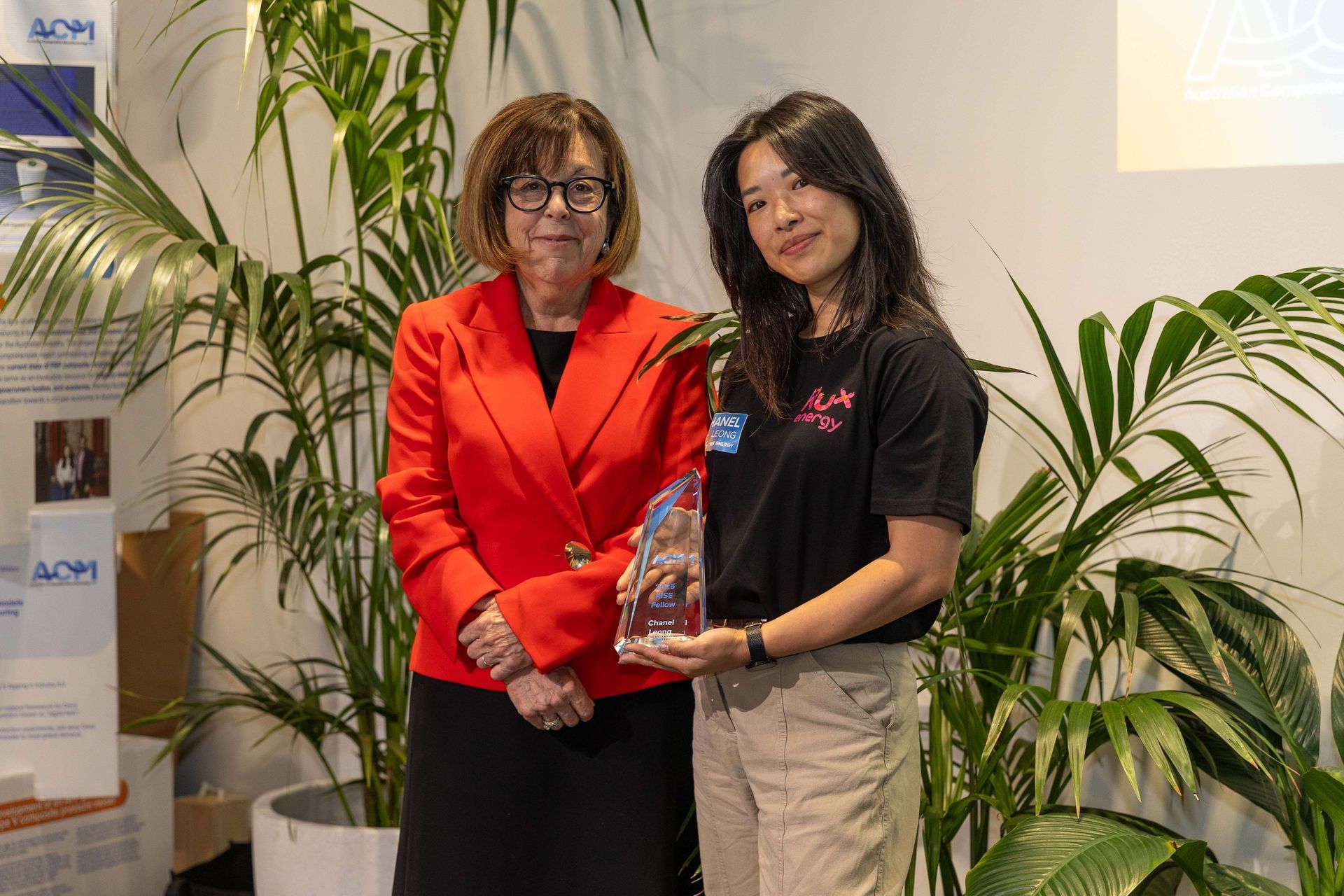
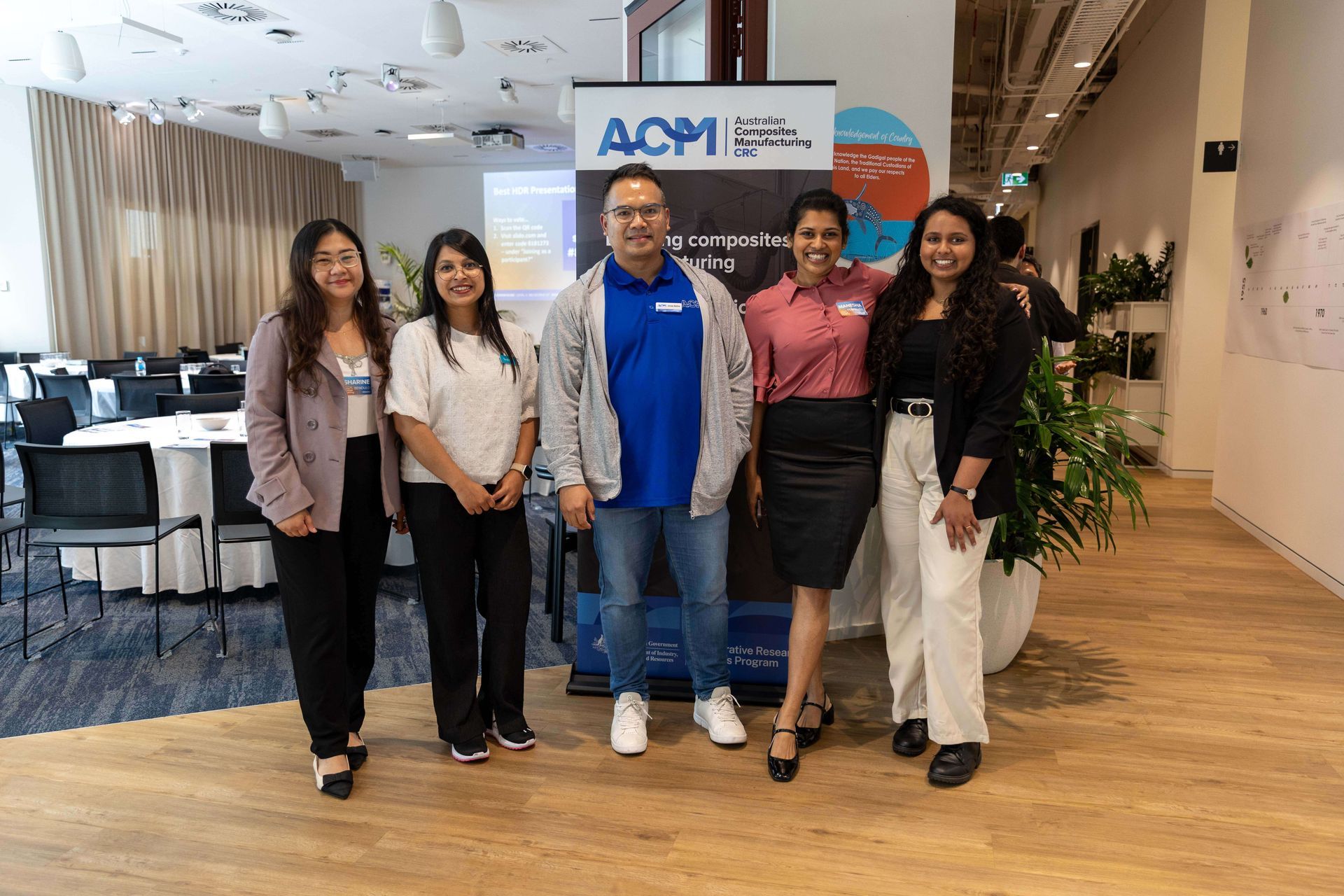
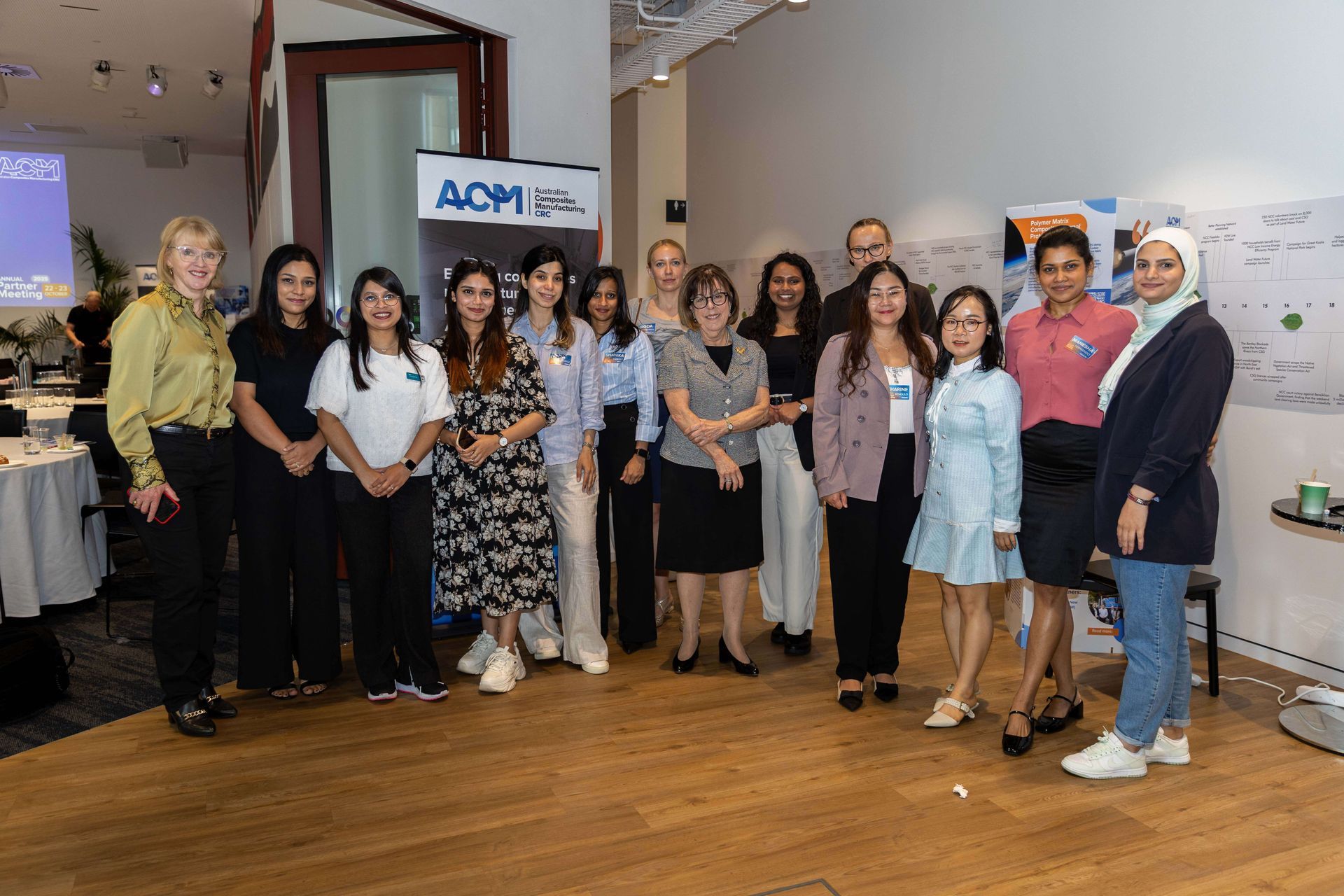
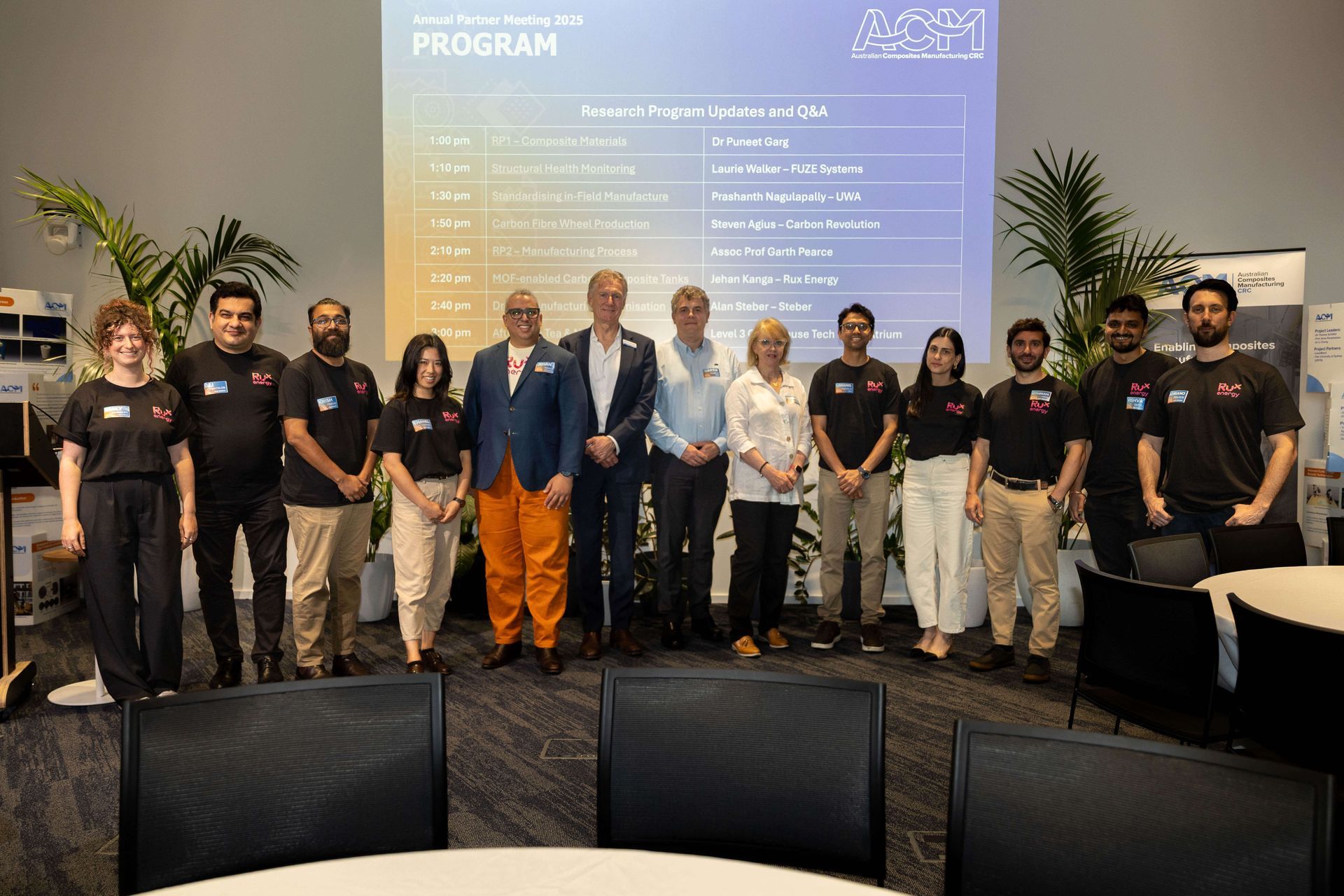
A highlight of the Partner Meeting was when ACM CRC Chair, Dr Abby Bloom, presented the 2025 RISE Fellowships to three exceptional women in STEM. Chanel Leong (Rux Energy), Manesha Fernando (Deakin University) and Sachini Wickramasinghe (University of Southern Queensland) were all very deserving awardees of the Fellowship, which will help progress their important work, and see them continuing to help shape the future of Australia’s composites manufacturing industry.
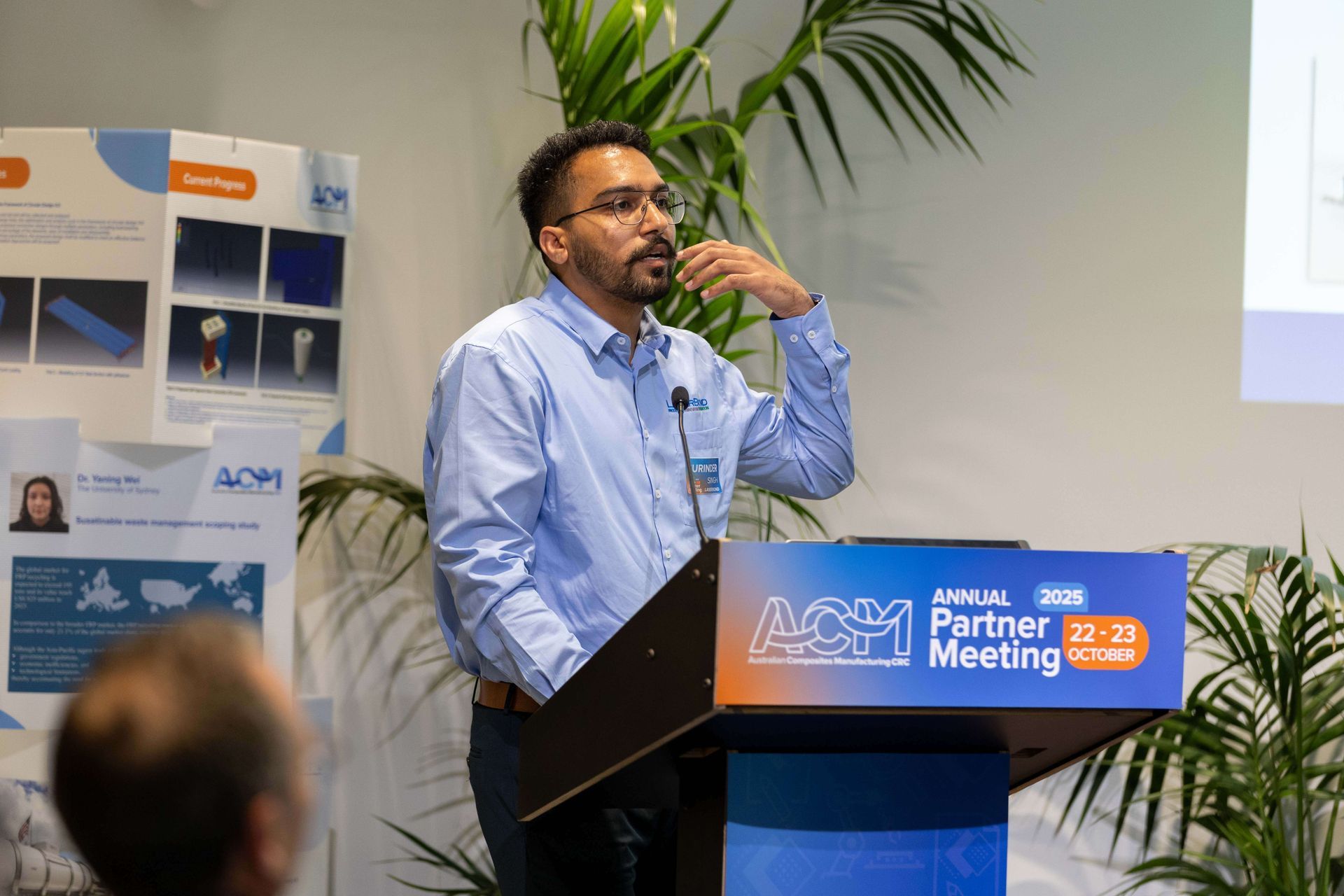
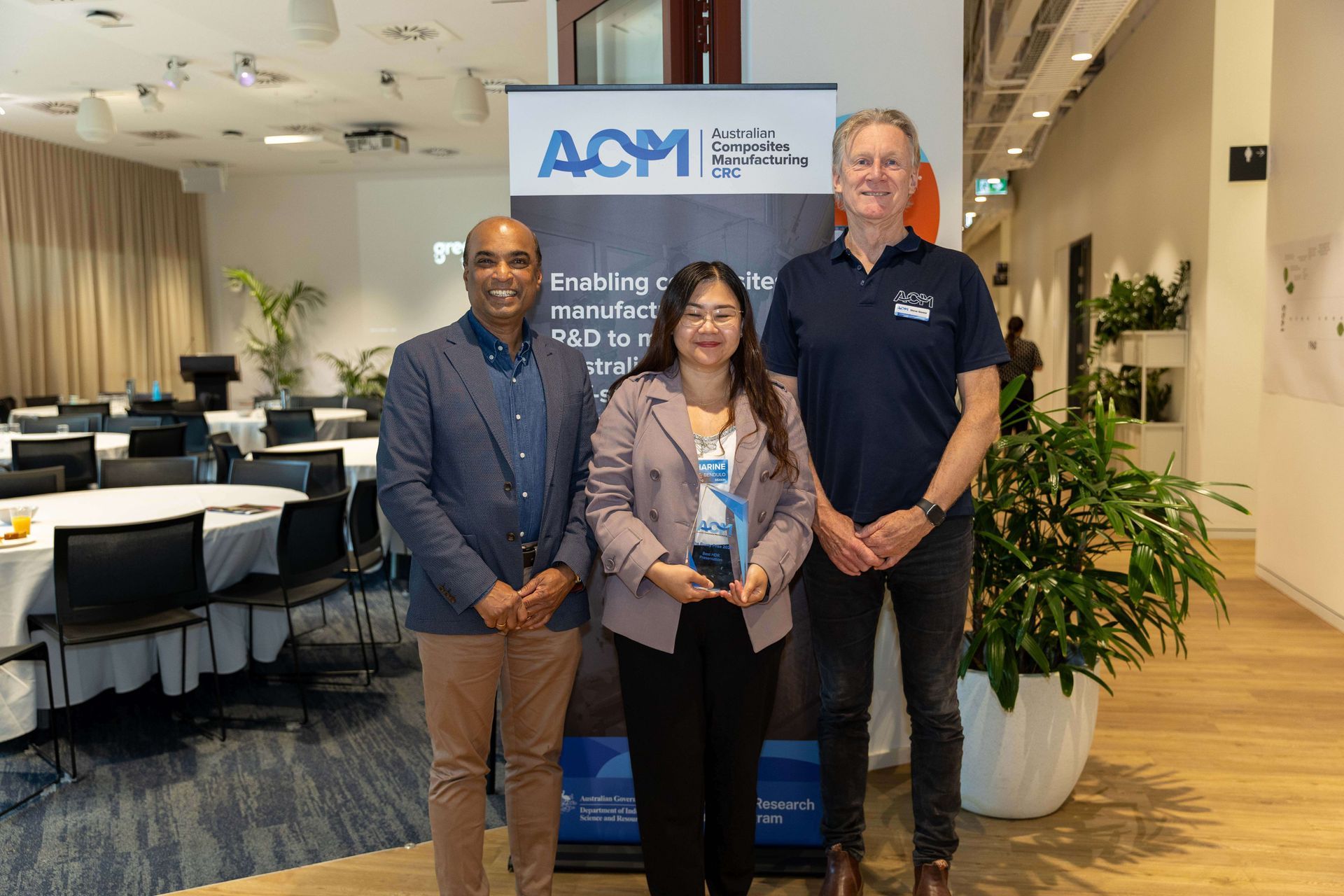
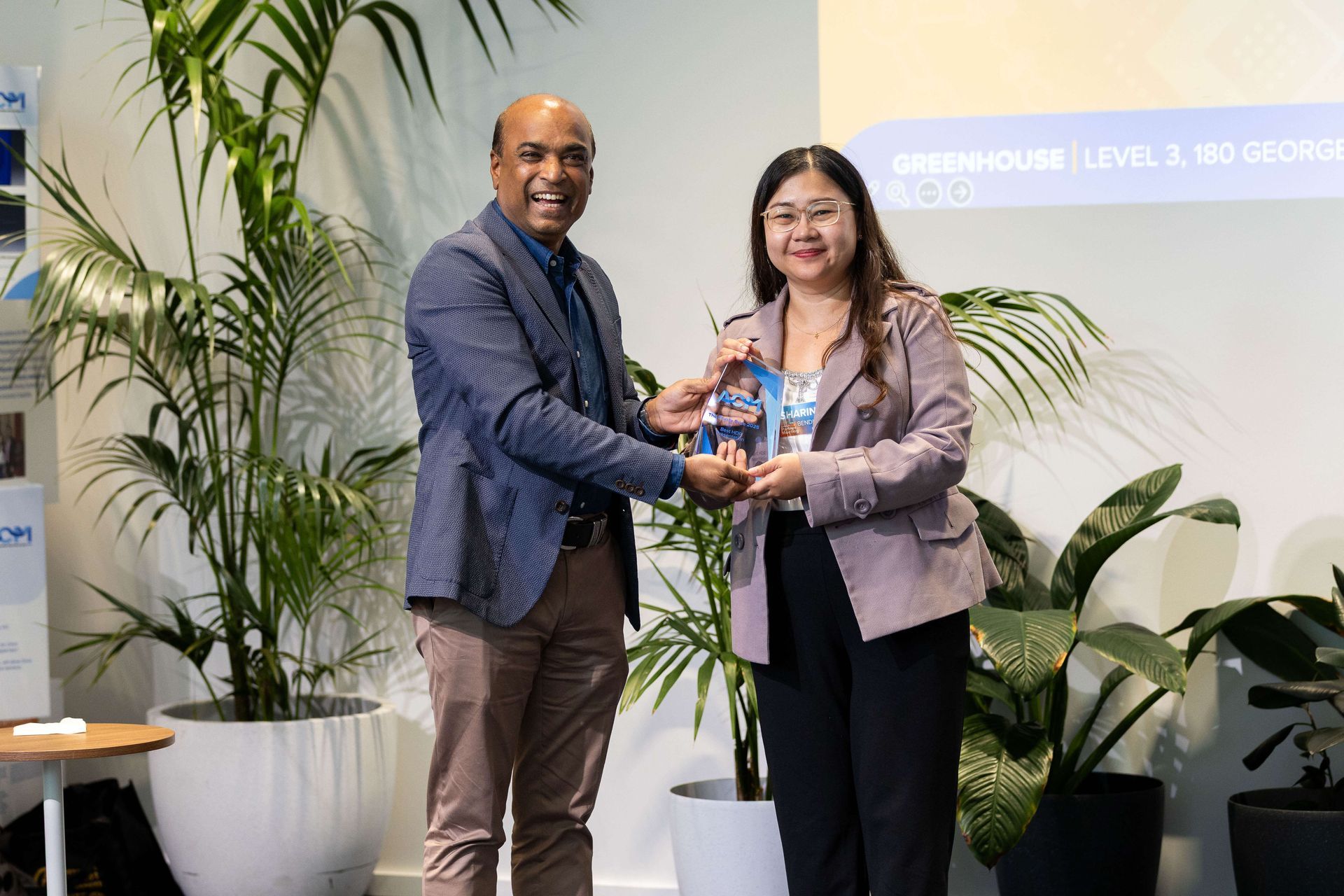
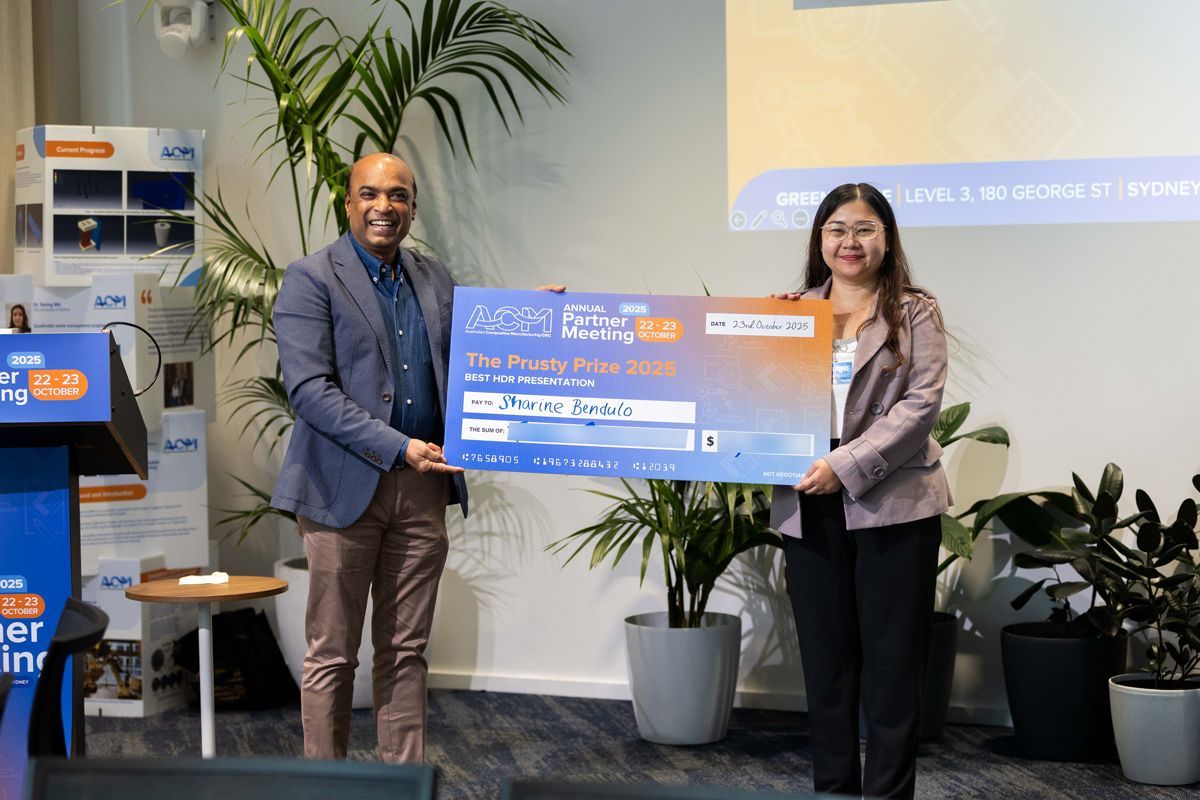
HDR students were also invited to present their work, with Sharine Bendulo of Deakin University announced as the inaugural Prusty Prize winner. The Prize, which is named after ACM CRC’s foundation Director of Research, Scientia Professor Gangadhara Prusty, will be awarded each year for the “Best HDR Presentation by popular vote” at the Partner Meeting. We congratulate Ms Bendulo as being the Prize’s inaugural recipient.
“These are exciting times for the sector. We look forward to building on our collaboration with partners, and others, so together we can continue advancing composites manufacturing in Australia,” Dr Gower concluded.
Interested in becoming an ACM CRC Partner?